스탬핑 부품
Notin invites you to visit our factory to purchase the newest, best-selling, affordable, and high-quality Stamping Parts. We are looking forward to working with you.
What are stamping parts?
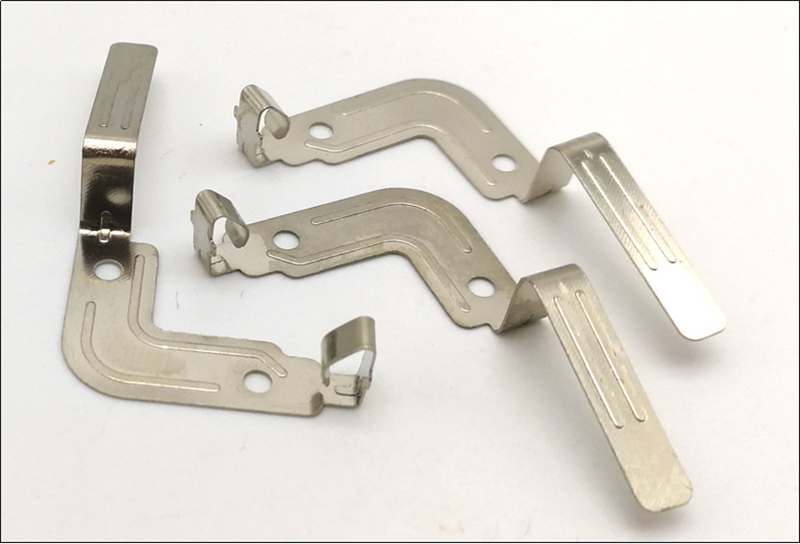
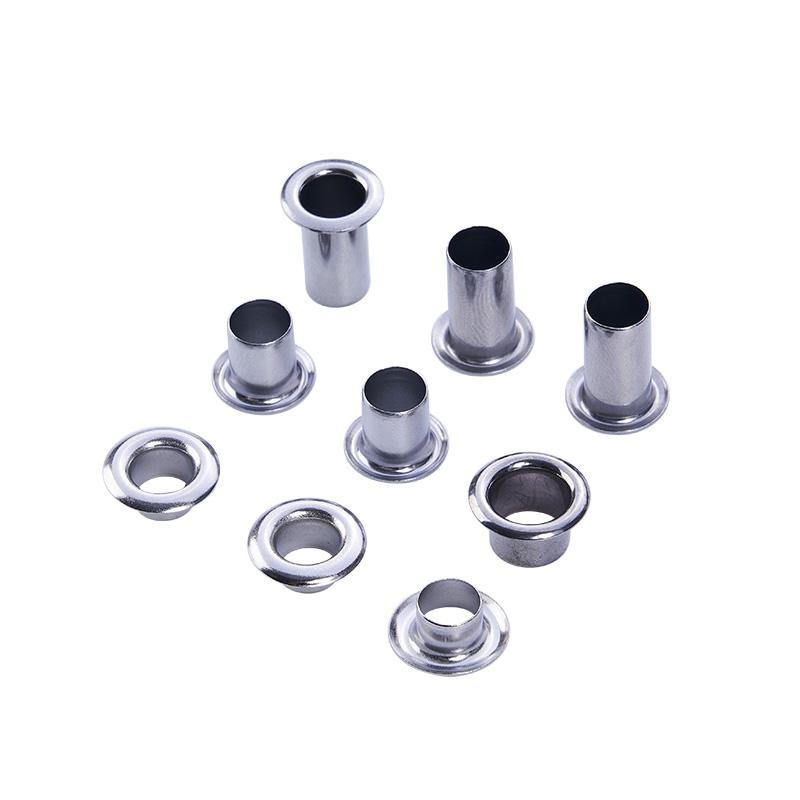
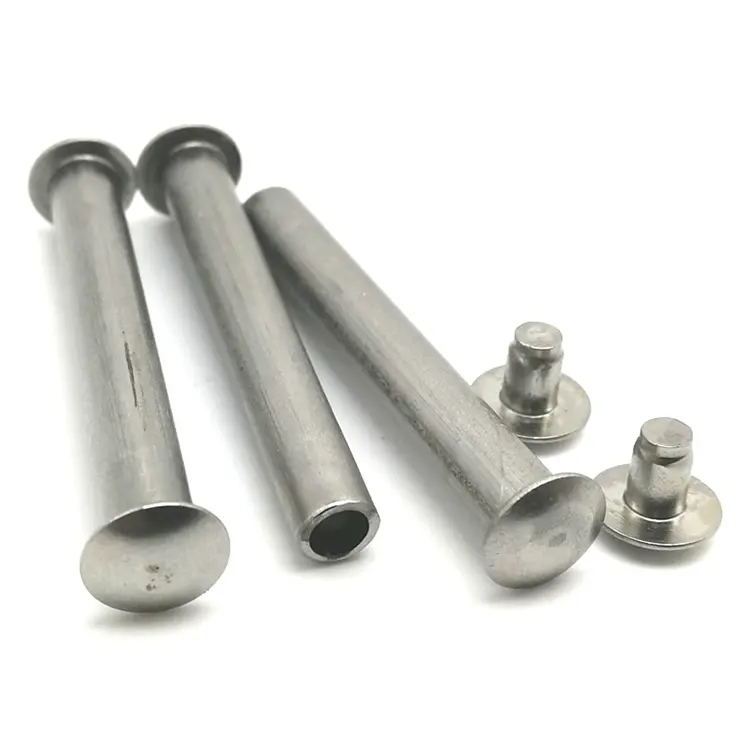
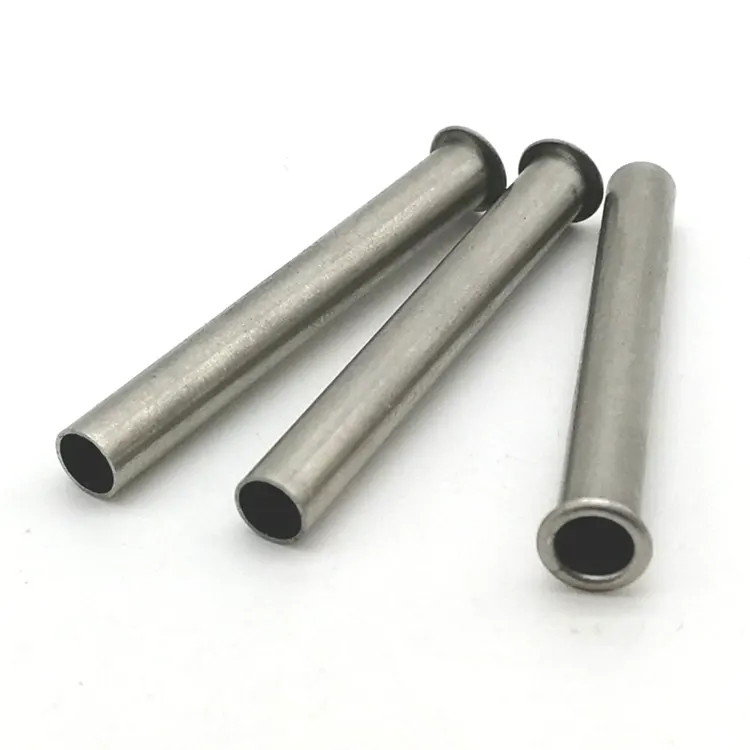
stamping parts are metal parts manufactured through a stamping process, using dies and presses to shear, bend, and stretch sheet metal (such as steel, aluminum, or copper) to form the desired shape. The core characteristics of this process are high efficiency and precision. Stamping can be categorized into two main types: separation processes (such as punching and blanking) and forming processes (such as drawing and flanging), to meet different structural requirements.
What are the main characteristics of stamping parts?
1. Compared to casting and forging, stamping parts are thinner, more uniform, lighter, and stronger. Stamping can produce workpieces with ribs, ribs, corrugations, or flanging that are difficult to create using other methods to increase rigidity.
2. Due to the use of dies, workpiece precision can reach micron levels, with high repeatability and consistent specifications, including punched holes and bosses. Cold stamped parts generally require no or minimal cutting.
3. The precision and surface finish of hot stamped parts are lower than those of cold stamped parts, but still superior to those of castings and forgings, requiring less cutting. 4. Using composite dies, particularly multi-station progressive dies, allows multiple stamping steps to be completed on a single press, achieving automated production from strip uncoiling, leveling, blanking, to forming and finishing.
5. High production efficiency, good working conditions, and low production costs enable the production of hundreds of pieces per minute. Stamping is primarily categorized by process into separating and forming.
6. The surface and internal properties of the stamped sheet material significantly impact the quality of the stamped product, requiring consistent thickness and uniformity of the stamped material.
7. The surface must be smooth, free of scars, scratches, or surface cracks, with uniform yield strength and no apparent directional variation; high uniform elongation; low yield strength; and low work hardening.
Metal Stamping Design Process
Metal stamping is a complex process that may include numerous metal forming steps—blank-cutting, punching, bending, and piercing, among others. Blanking: This process involves cutting the rough outline or shape of the product. This stage is focused on minimizing and avoiding burrs, which increase part cost and extend delivery time. This step is where you determine the hole diameter, geometry/taper, edge-to-hole spacing, and insert the first punch.
Bends: When designing bends in stamped metal parts, it's important to leave enough material—make sure to design your part and its blank so there's enough material to make the bend. Some important factors to keep in mind:
If the bend is too close to the hole, it may deform.
Notches, tabs, and notches should be designed with a width of at least 1.5 times the material thickness. Any smaller and they may become difficult to manufacture due to the forces exerted on the punch, causing them to break.
Each corner in the blank design should have a radius of at least half the material thickness.
To minimize the occurrence and severity of burrs, avoid sharp corners and complex cuts whenever possible. When these factors cannot be avoided, be sure to note the burr direction in the design so that it can be accounted for during stamping.
Coining: This action involves striking the edge of a stamped metal part to flatten or break burrs. This creates a smoother edge in the coined area of the part geometry. It can also add additional strength to localized areas of the part, which can avoid secondary operations such as deburring and grinding.
- View as
스탬프 금속 부품
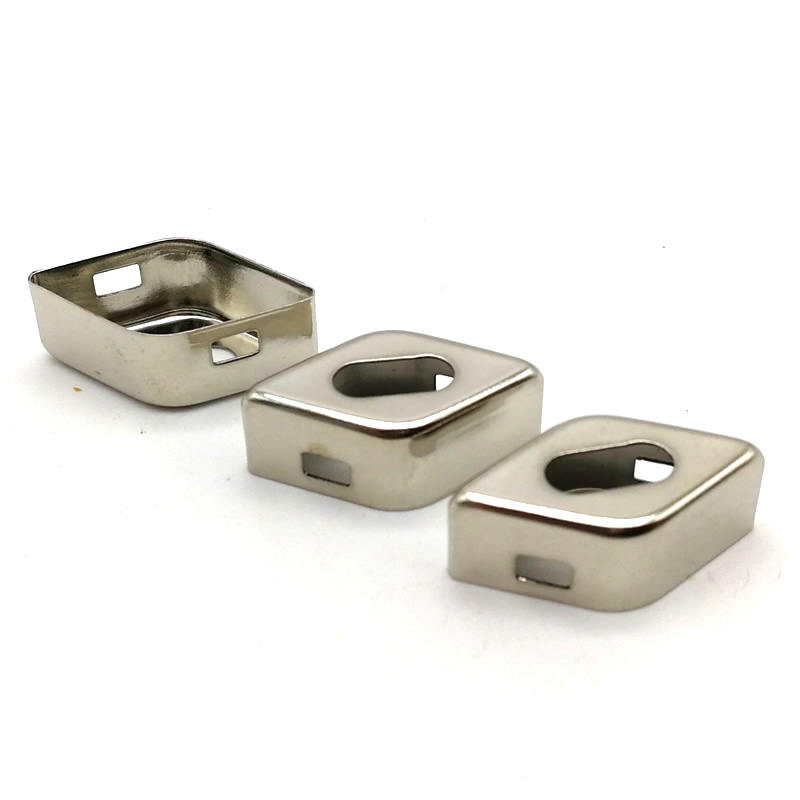
Nuote Metals는 중국 공장에서 자동차, 가전제품, 전자 제품, 하드웨어 등 다양한 산업 분야를 위한 맞춤형 스탬프 금속 부품을 생산합니다. 고속 프레스와 정밀 다이를 사용하여 강철, 황동, 알루미늄 또는 스테인리스강을 공차가 엄격한 복잡한 버(burr) 없는 부품으로 변환합니다. 브래킷, 클립, 터미널 또는 섀시가 필요하든 당사의 스탬핑 공정은 반복성과 비용 효율성을 보장합니다. 적시에 배송되는 안정적인 구성요소를 통해 공급 불일치와 치수 드리프트를 해결하세요. 귀하의 조립 라인이 원활하게 진행될 수 있도록 품질을 보장해 드립니다.
더 읽어보기문의 보내기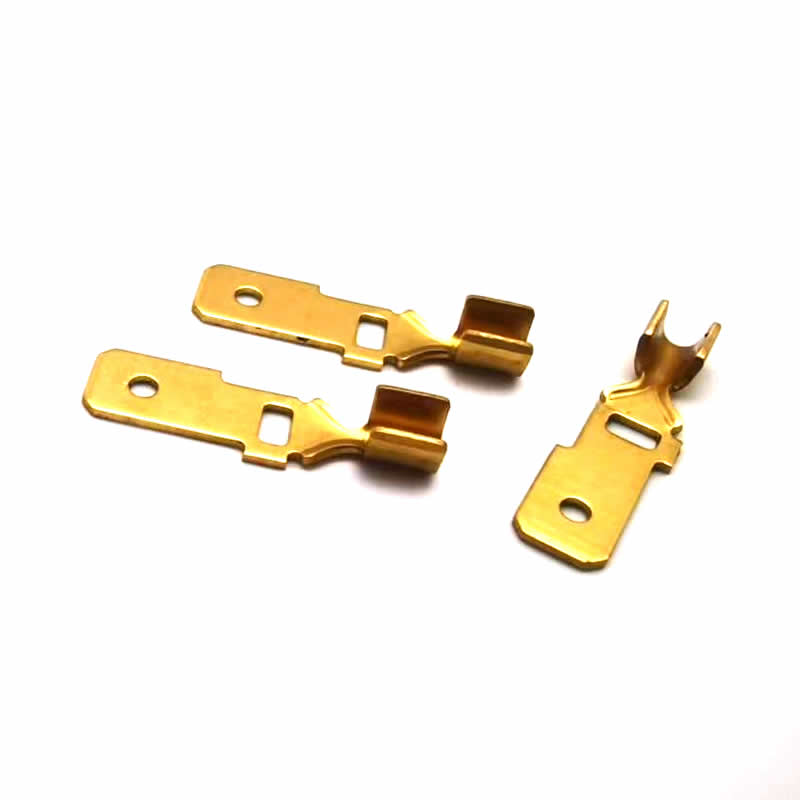
고정밀 금속 스탬핑
미크론 수준의 정확도를 찾고 계십니까? 중국 공장인 Nuote Metals는 자동차, 전자 제품 및 의료 기기의 복잡한 부품을 위한 맞춤형 고정밀 금속 스탬핑을 제공합니다. 당사의 고급 툴링은 엄격한 공차와 버(burr) 없는 가장자리를 보장하여 재작업과 스크랩을 방지합니다. 복잡한 모양이 필요하든 대량 일관성이 필요하든 당사의 스탬핑 공정은 부품마다 반복성을 보장합니다. 정밀하게 설계된 금속 스탬핑으로 불량한 핏과 조기 마모를 해결하세요. 비용을 절감하고 신뢰성을 높이는 품질로 우리를 믿으십시오.
더 읽어보기문의 보내기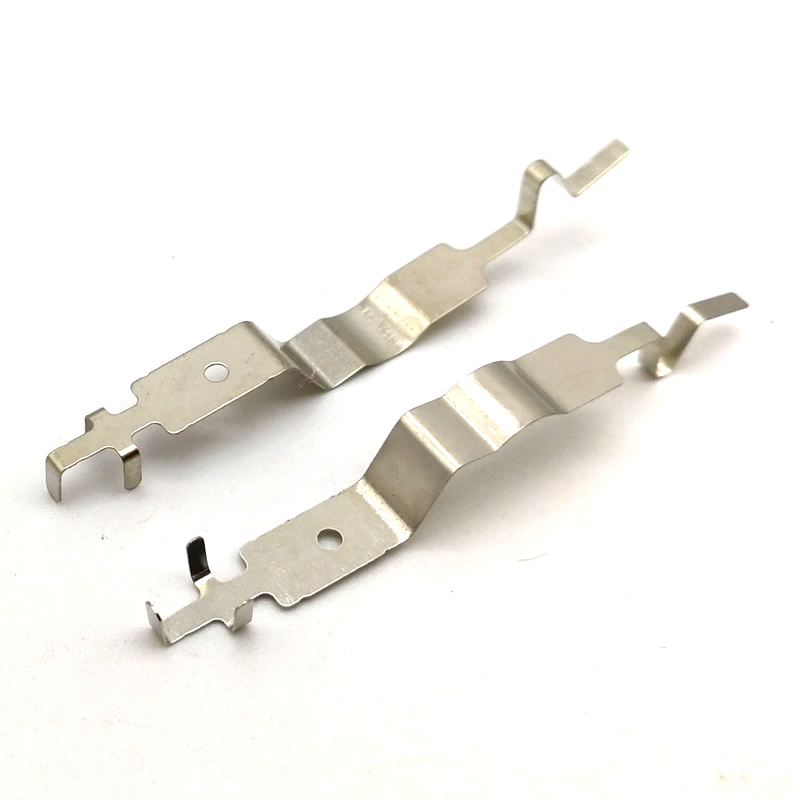
스테인레스 스틸 스탬핑 부품
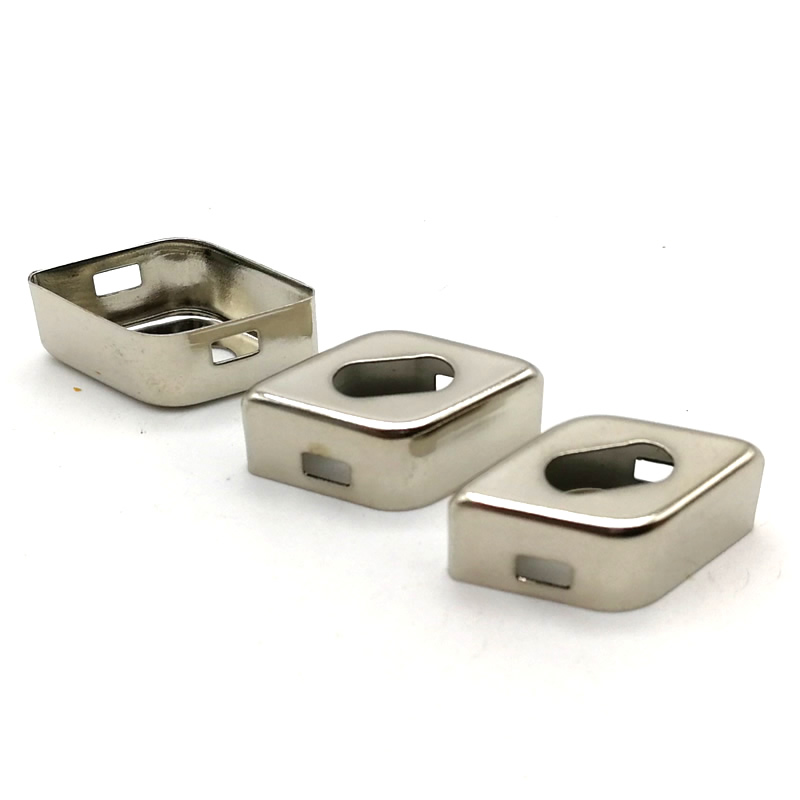
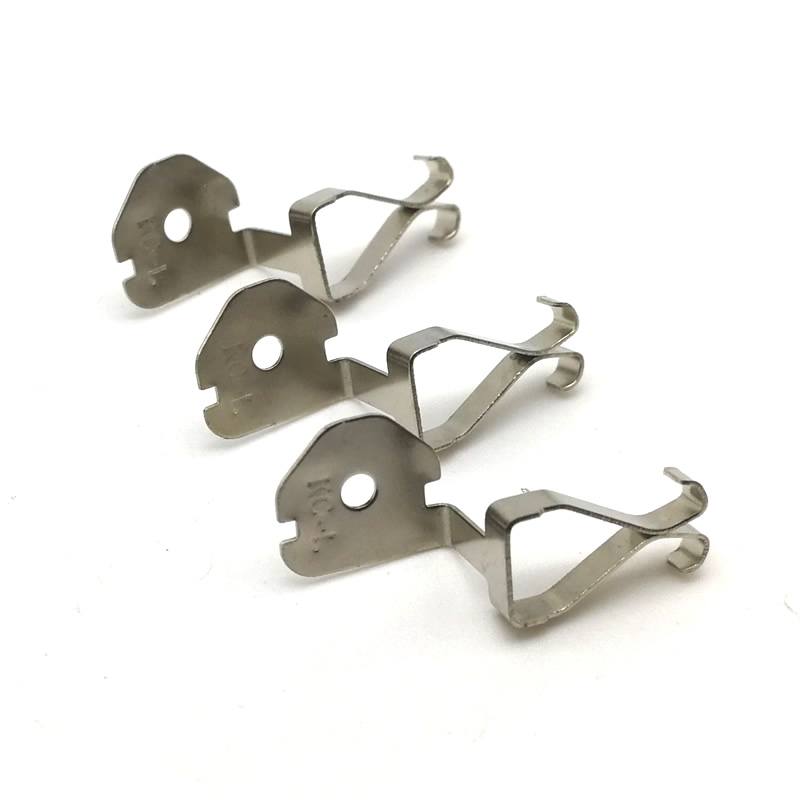
내구성이 뛰어난 스테인레스 스틸 스탬핑 부품을 찾고 계십니까? 중국 공장인 Nuote Metals는 자동차 및 의료 기기용 맞춤형 솔루션을 제공합니다. 우리의 정밀 스탬핑은 녹슬지 않는 강도와 정확한 핏을 제공합니다. 내구성이 뛰어난 부품으로 부식 및 마모 문제를 해결하세요. 성능이 뛰어난 품질을 위해 공장을 신뢰하십시오.
더 읽어보기문의 보내기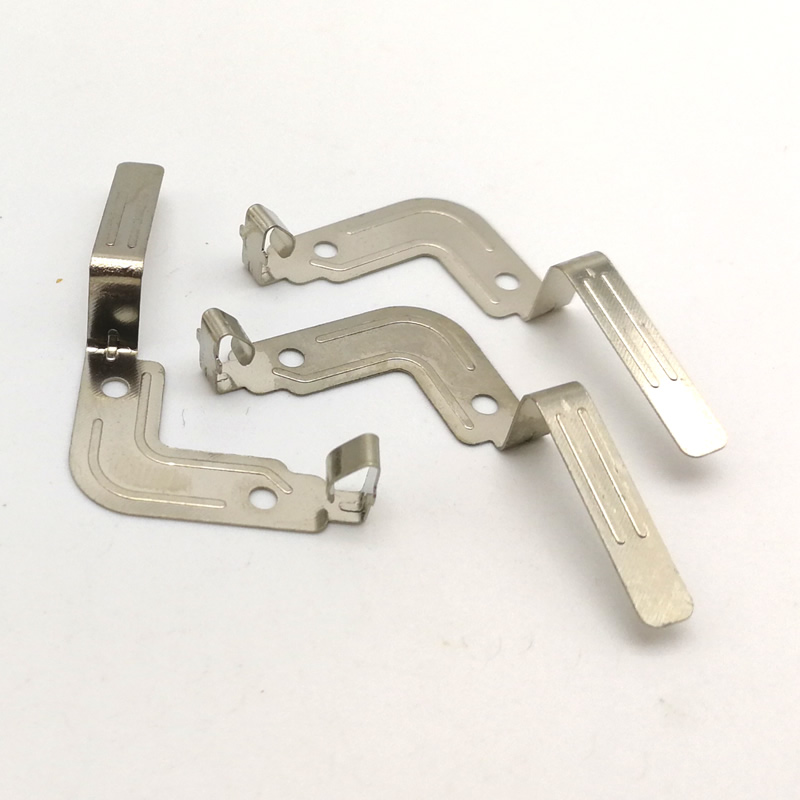
Some important factors to keep in mind:
Plasticity and Grain Direction – Plasticity is a measure of the permanent deformation a material undergoes when subjected to stress. Metals with greater plasticity are more susceptible to forming. Grain direction is important in high-strength materials, such as tempered metals and stainless steel. If bending occurs along a high-strength grain, cracking is more likely.
Bending Deformation/Expansion: Bending deformation causes expansion of up to 1/3 of the material thickness. This deformation/expansion becomes more severe as the material thickness increases and the bend radius decreases. Web and "mismatch" cutting: This involves making very slight indentations or protrusions in the part, typically about 0.1mm deep. This feature is not required when using composite or transfer tools, but it is essential when using progressive dies.
Advantages and Limitations of Stamping
Advantages:
- Low cost: In mass production, the cost per part can be reduced to one-third of that of a cast part;
- High consistency: Dimensional tolerances can be controlled within ±0.1mm;
- High material utilization: Through nesting optimization, the utilization rate can reach over 85%.
Limitations:
- Long mold development cycle and high initial investment, making it unsuitable for large-scale production;
- Complex three-dimensional structures (such as hollow crankshafts) require integration with other processes.
Core Application Areas of Stamping Parts
1. Automotive Industry: Accounts for over 60% of total stamping part demand, including body panels and chassis components;
2. Electronics and Electrical: For example, metal mobile phone frames and heat sinks, thicknesses can be as thin as 0.2mm;
3. Home Appliance Industry: Refrigerator panels, air conditioner housings, etc., where surface aesthetics can be enhanced through electroplating or spraying.



X
당사는 귀하에게 더 나은 탐색 경험을 제공하고, 사이트 트래픽을 분석하고, 콘텐츠를 개인화하기 위해 쿠키를 사용합니다. 이 사이트를 이용함으로써 귀하는 당사의 쿠키 사용에 동의하게 됩니다.
개인 정보 보호 정책