스탬핑 부품
- View as
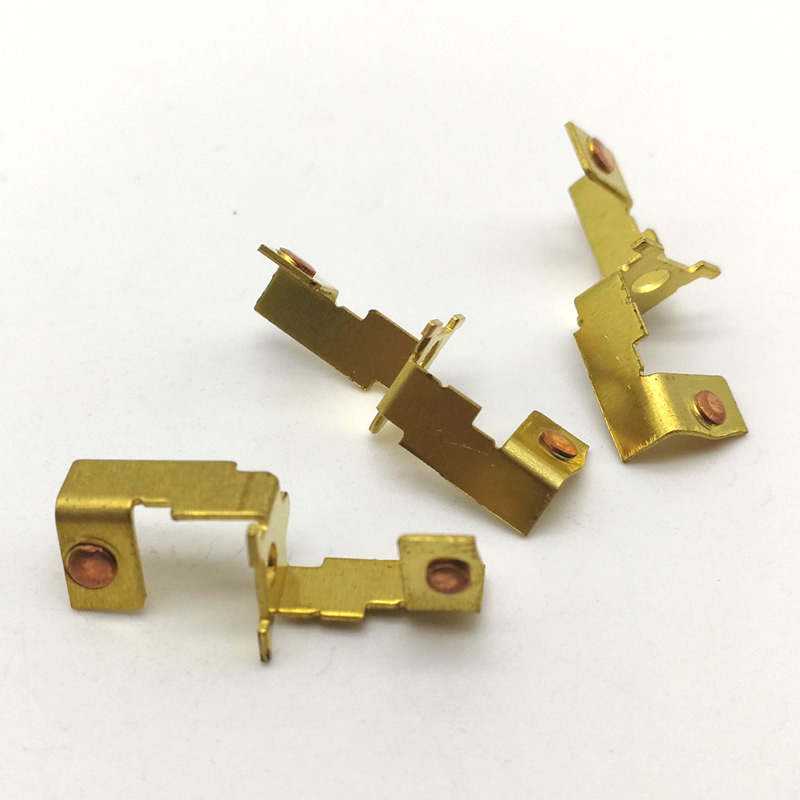
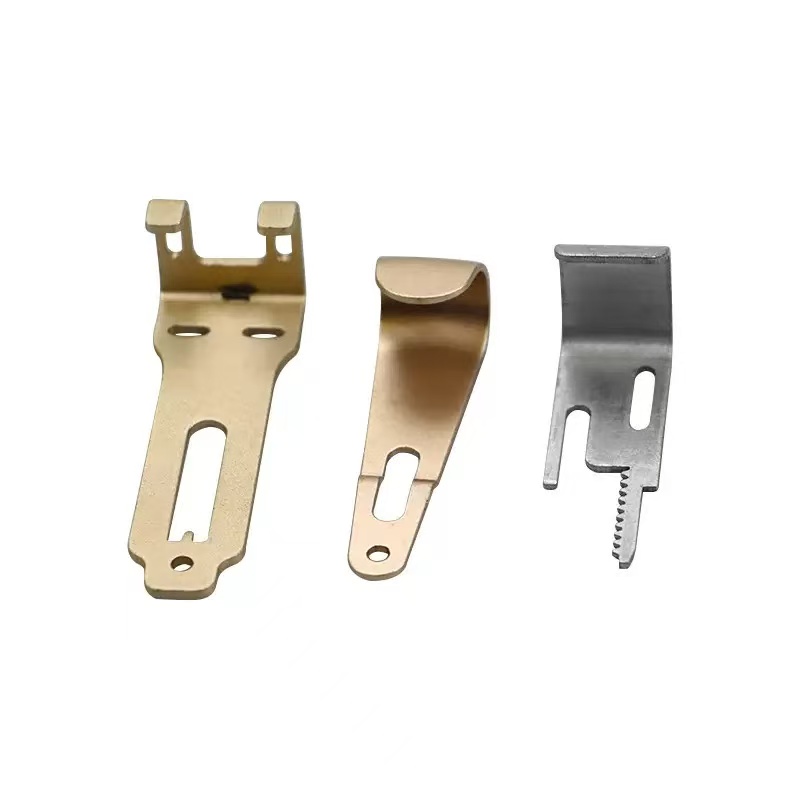
소형 부품 금속 스탬핑
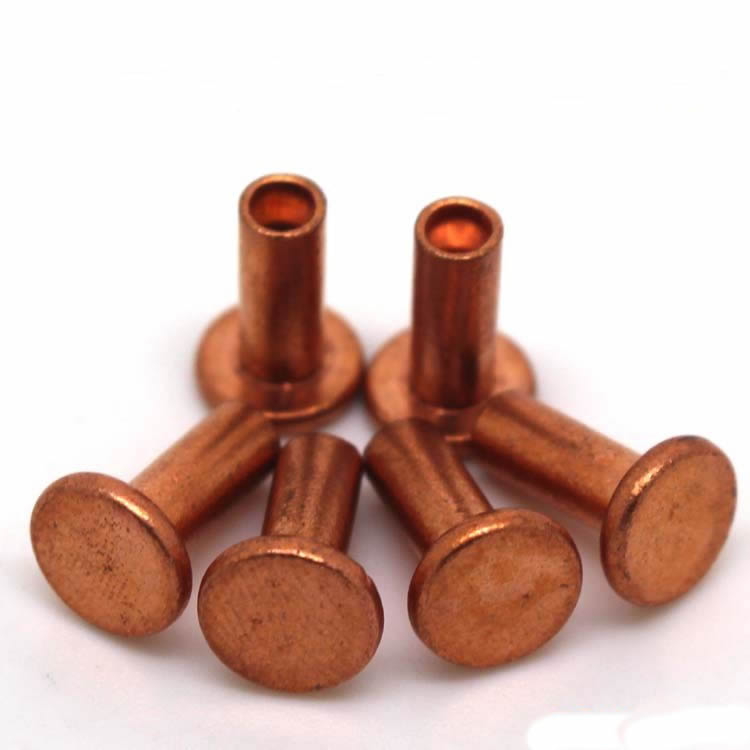
우리는 Dongguan에서 Nuote Metals라는 매장을 운영하고 있습니다. 우리는 매일 이곳에서 작은 부품의 금속 스탬핑 작업을 수행합니다. 이것들은 작은 클립, 작은 브래킷, 작은 접점 등 작은 금속 조각입니다. 소형 부품 금속 스탬핑에는 부품이 너무 작기 때문에 좋은 도구가 필요합니다. 작은 실수라도 제대로 작동하지 않는다는 의미입니다. 작업에 따라 강철, 황동, 구리 또는 알루미늄을 사용합니다. 작은 부품 금속 스탬핑의 각 배치는 밝은 조명 아래에서 검사됩니다. 우리 품질팀은 모든 부품을 확인합니다. 고객은 모두 동일한 작은 부품이 많이 필요할 때 작은 부품 금속 스탬핑을 주문합니다. 테스트할 수 있도록 먼저 샘플을 만듭니다.
더 읽어보기문의 보내기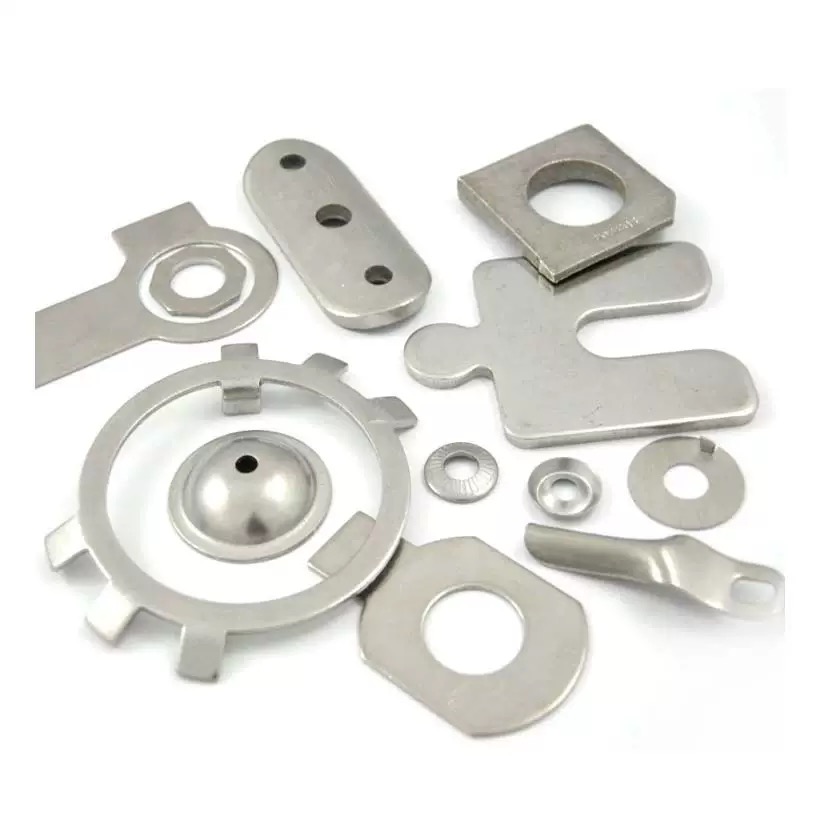
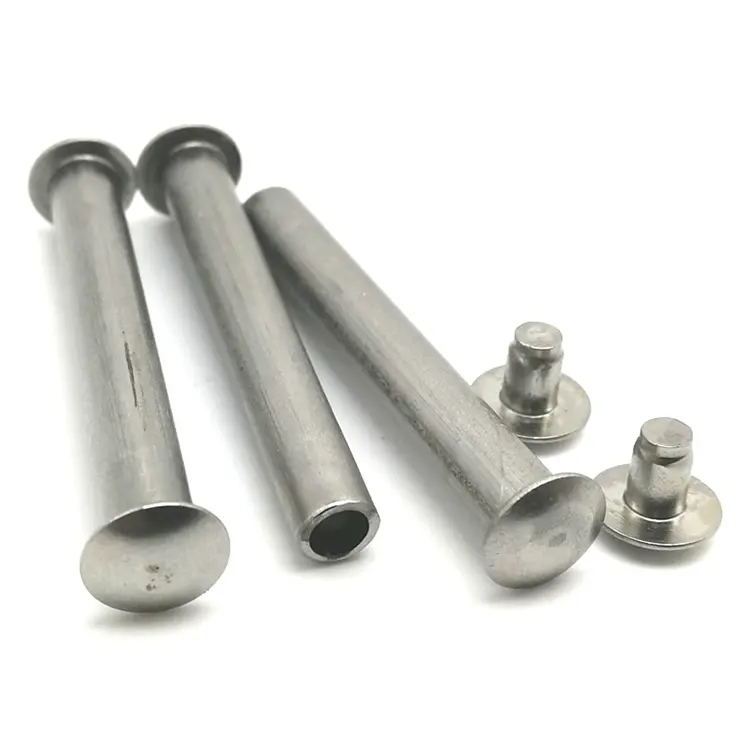
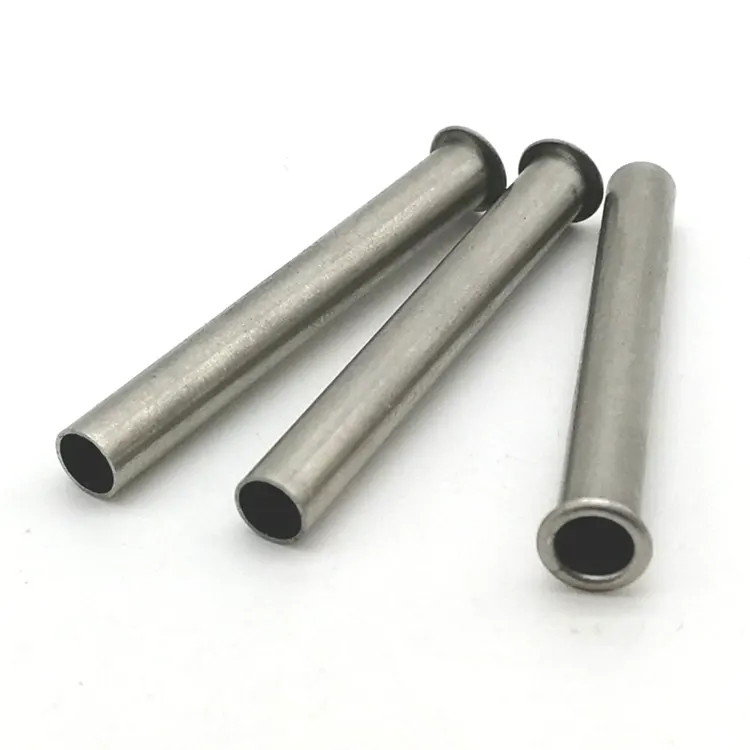
스테인레스 스틸 부품 스탬핑
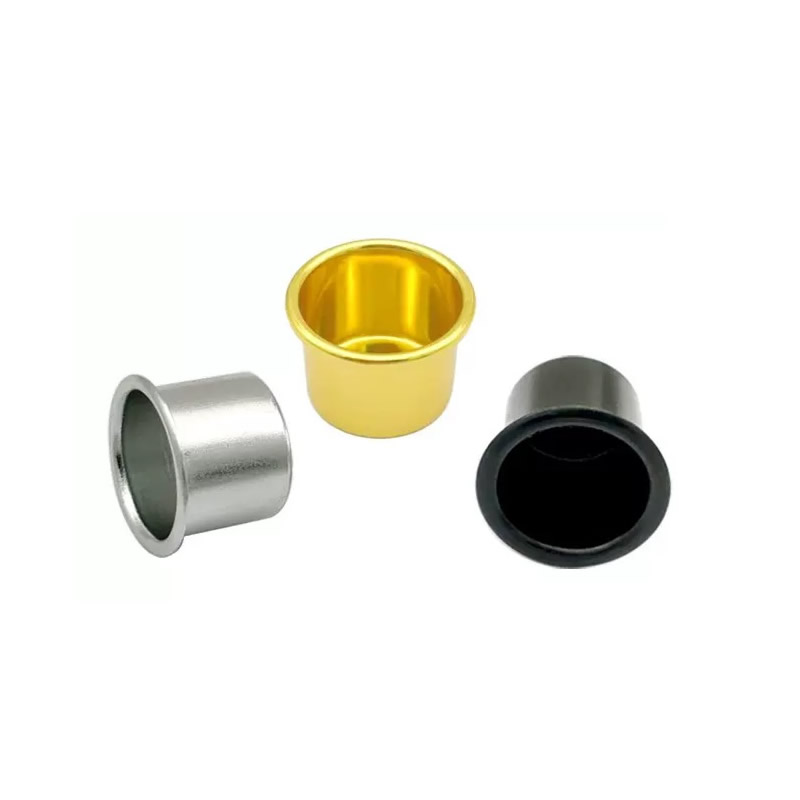
Nuote Metals는 중국 둥관에서 스테인레스 스틸 부품 스탬핑을 만듭니다. 스테인리스는 강하고 녹이 슬지 않아 내구성이 필요한 부품에 좋습니다. 우리는 프레스를 사용하여 스테인레스 스틸 시트에서 이러한 부품을 스탬핑합니다. 스탬핑 스테인레스 스틸 부품은 작은 브래킷, 클립 또는 굴곡과 구멍이 있는 더 큰 부품일 수 있습니다. 스탬핑 스테인레스 스틸 부품의 각 배치는 당사의 품질 팀에서 점검됩니다. 그들은 가장자리를 보고 치수를 측정합니다. 고객은 거친 환경에서도 견딜 수 있는 금속 조각이 필요할 때 스탬핑 스테인리스강 부품을 주문합니다. 테스트할 수 있도록 먼저 샘플을 만듭니다.
더 읽어보기문의 보내기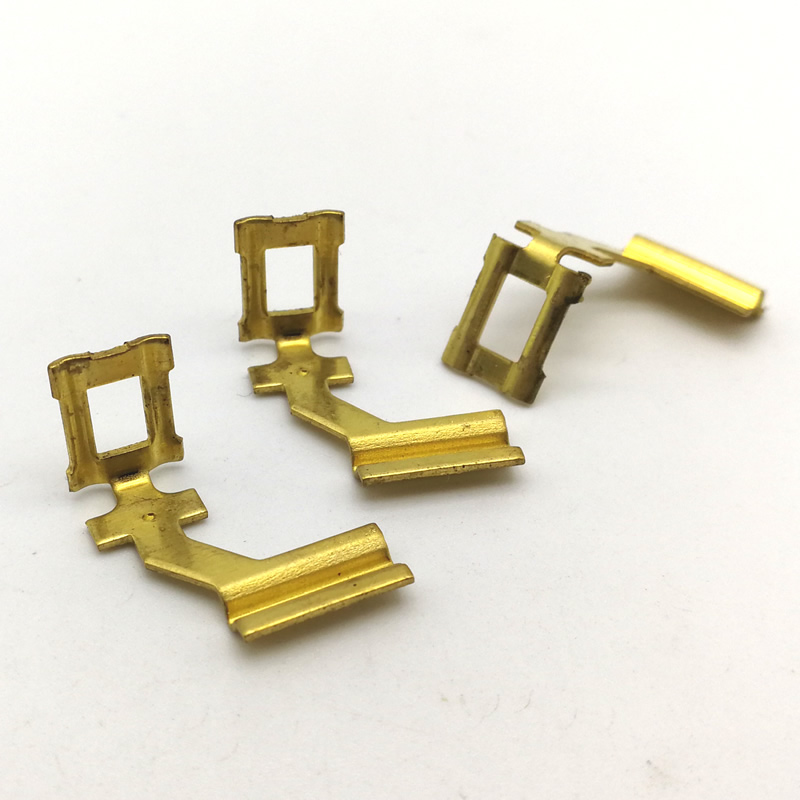
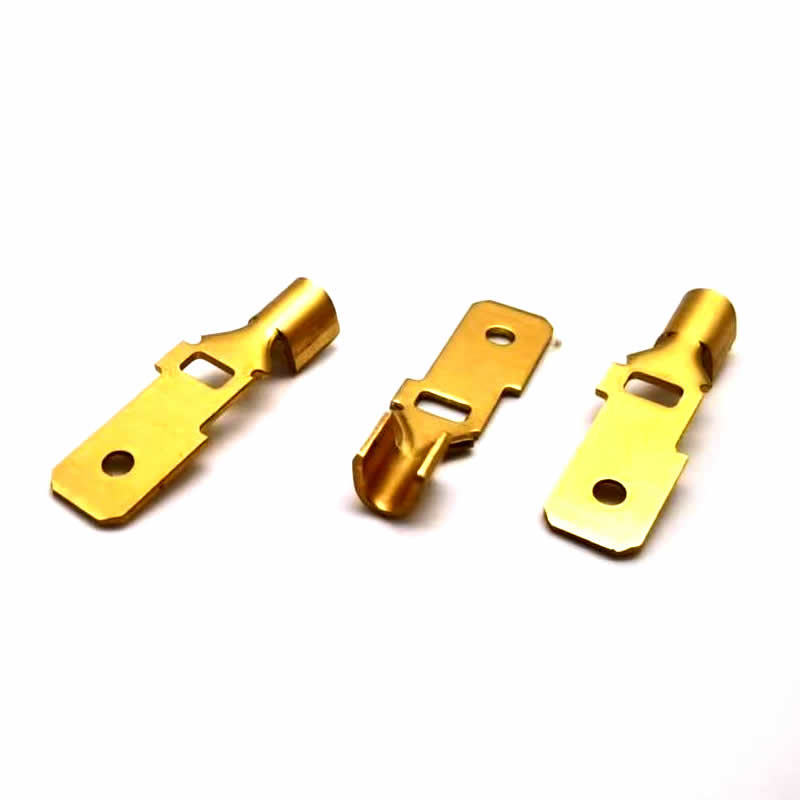
OEM 금속 스탬핑 부품
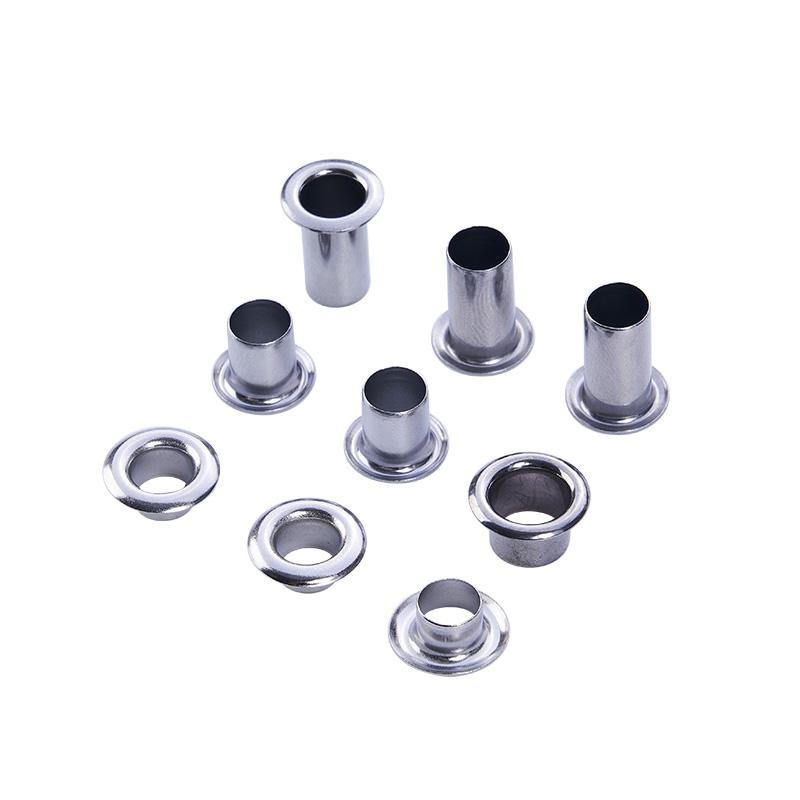
Nuote Metals는 맞춤형 금속 부품이 필요한 회사를 위해 OEM 금속 스탬핑 부품을 만듭니다. OEM은 OEM(Original Equipment Manufacturer)을 의미합니다. 우리는 다른 브랜드의 완제품에 들어가는 부품을 생산합니다. OEM 금속 스탬핑 부품은 고객 도면 및 사양에 맞게 정확하게 제작됩니다. 우리는 강철, 알루미늄, 황동, 스테인리스강을 사용하여 작업합니다. OEM 금속 스탬핑 부품의 각 주문은 원래 설계와 비교하여 확인됩니다. 우리 팀은 모든 배치를 측정하고 검사합니다. 우리는 그들의 요구 사항을 면밀히 따르기 때문에 회사는 OEM 금속 스탬핑 부품으로 우리를 선택합니다. 핏과 기능을 승인할 수 있도록 먼저 샘플을 제공합니다.
더 읽어보기문의 보내기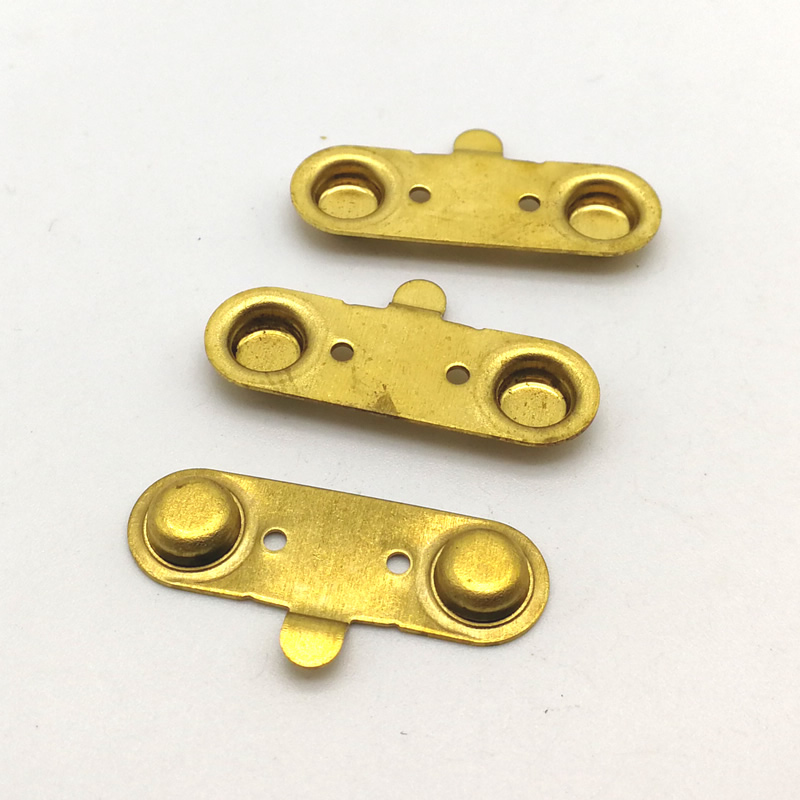
스탬프가 찍힌 부품
우리는 동관에 있는 Nuote Metals입니다. 우리는 여기에서 모든 종류의 스탬프 부품을 만듭니다. 이는 프레스에서 시트를 스탬핑하여 형성하는 금속 부품입니다. 스탬핑된 구성 요소는 클립처럼 작을 수도 있고 브래킷처럼 클 수도 있습니다. 우리는 강철, 알루미늄, 황동, 스테인리스강을 사용하여 작업합니다. 스탬프가 찍힌 각 구성 요소는 고객에게 배송되기 전에 주의 깊게 검사됩니다. 우리 직원들은 모든 부품을 측정합니다. 고객은 제품에 신뢰할 수 있는 스탬프 부품이 필요할 때 우리를 찾아옵니다. 테스트할 수 있도록 먼저 샘플을 만듭니다.
더 읽어보기문의 보내기Some important factors to keep in mind:
Plasticity and Grain Direction – Plasticity is a measure of the permanent deformation a material undergoes when subjected to stress. Metals with greater plasticity are more susceptible to forming. Grain direction is important in high-strength materials, such as tempered metals and stainless steel. If bending occurs along a high-strength grain, cracking is more likely.
Bending Deformation/Expansion: Bending deformation causes expansion of up to 1/3 of the material thickness. This deformation/expansion becomes more severe as the material thickness increases and the bend radius decreases. Web and "mismatch" cutting: This involves making very slight indentations or protrusions in the part, typically about 0.1mm deep. This feature is not required when using composite or transfer tools, but it is essential when using progressive dies.
Advantages and Limitations of Stamping
Advantages:
- Low cost: In mass production, the cost per part can be reduced to one-third of that of a cast part;
- High consistency: Dimensional tolerances can be controlled within ±0.1mm;
- High material utilization: Through nesting optimization, the utilization rate can reach over 85%.
Limitations:
- Long mold development cycle and high initial investment, making it unsuitable for large-scale production;
- Complex three-dimensional structures (such as hollow crankshafts) require integration with other processes.
Core Application Areas of Stamping Parts
1. Automotive Industry: Accounts for over 60% of total stamping part demand, including body panels and chassis components;
2. Electronics and Electrical: For example, metal mobile phone frames and heat sinks, thicknesses can be as thin as 0.2mm;
3. Home Appliance Industry: Refrigerator panels, air conditioner housings, etc., where surface aesthetics can be enhanced through electroplating or spraying.



X
당사는 귀하에게 더 나은 탐색 경험을 제공하고, 사이트 트래픽을 분석하고, 콘텐츠를 개인화하기 위해 쿠키를 사용합니다. 이 사이트를 이용함으로써 귀하는 당사의 쿠키 사용에 동의하게 됩니다.
개인 정보 보호 정책