
작은 구멍
중국의 평판이 좋은 제조업체인 Nuote Metals는 귀하에게 Eyelets를 제공할 의향이 있습니다. 우리는 최고의 판매 후 지원과 신속한 배송을 약속드립니다.
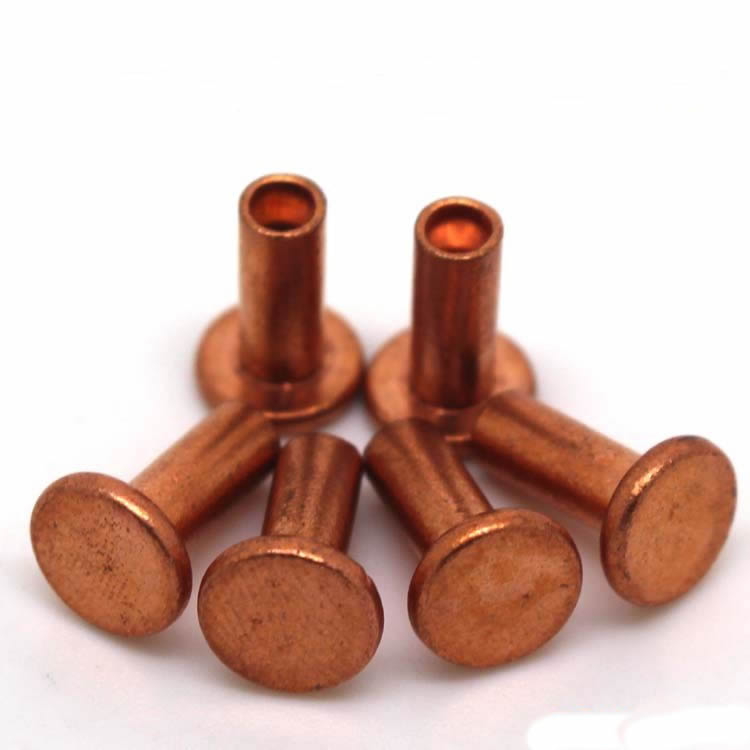
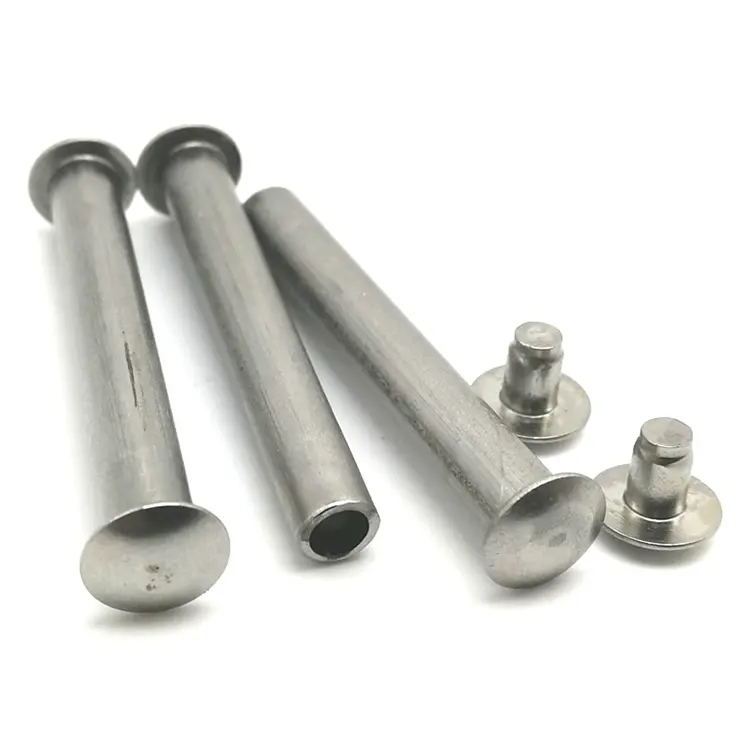
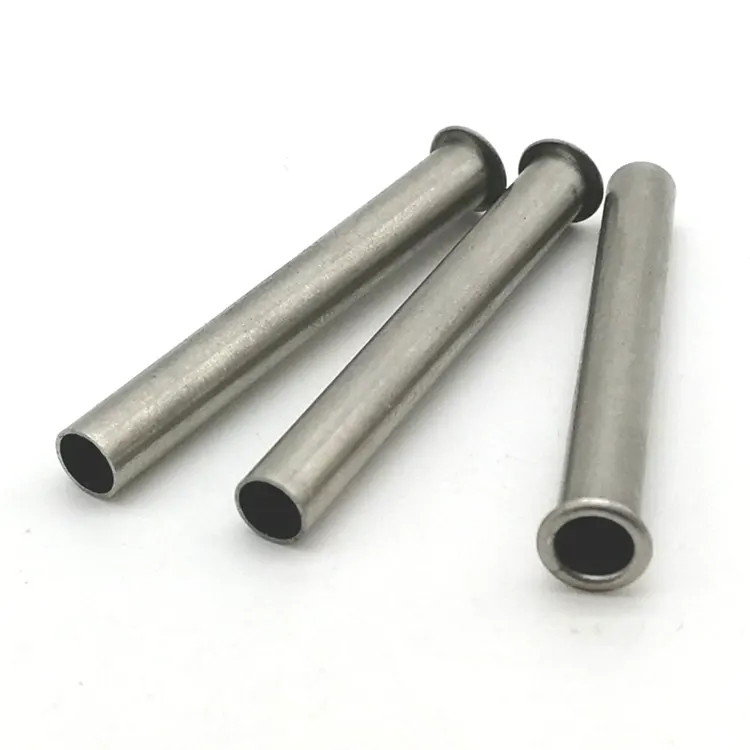
작은 구멍은 빠른 설치, 안정적인 성능 및 높은 신뢰성이 특징입니다. 다른 패스너에 비해 아일렛은 단위당 가격이 훨씬 저렴하고 다양한 용도로 사용할 수 있습니다. 그들은 유사하다관형 리벳, 그러나 다른 기술과 기계로 만들어졌습니다. 구멍은 딥 드로잉 기술로 만들어지고 관형 리벳은 튜브로 만들어집니다.
아일렛이란 무엇입니까?
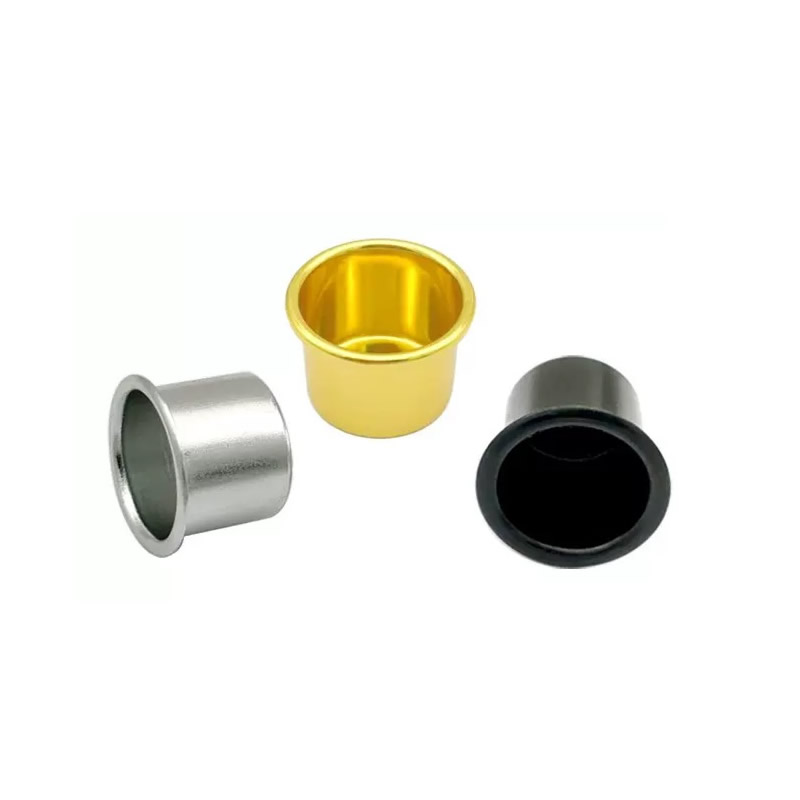
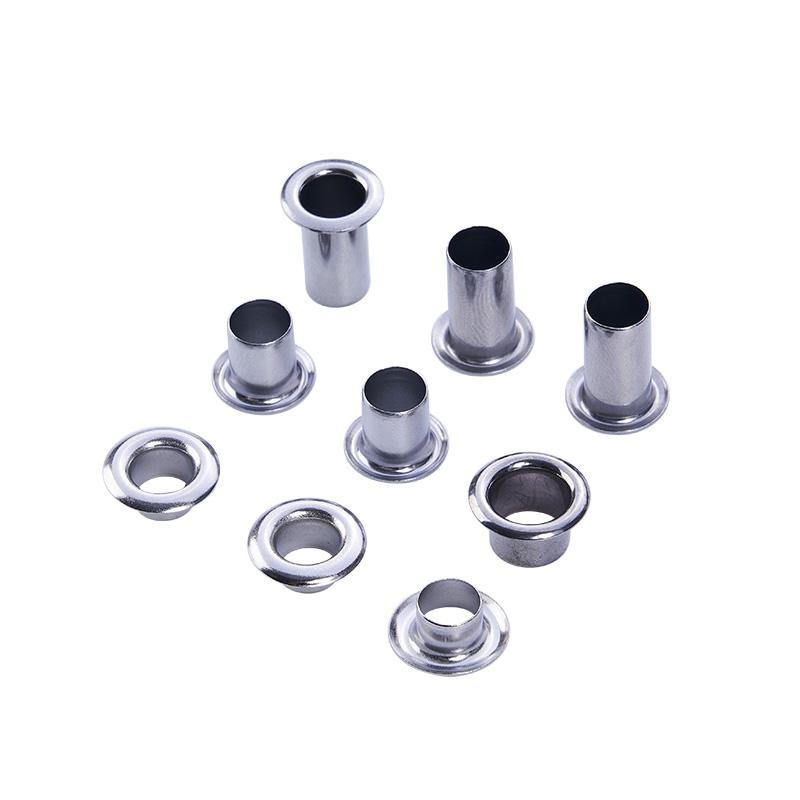
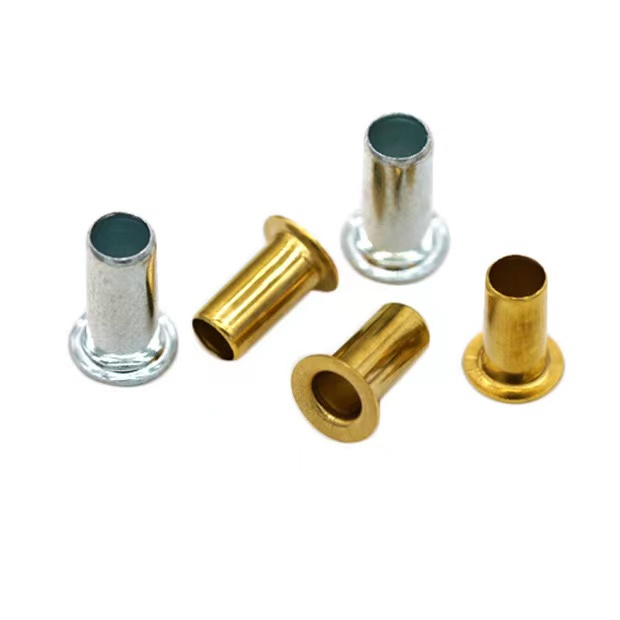
아일릿은 주로 캡과 생크로 구성됩니다. 캡은 일반적으로 원형 또는 타원형이며 설치 중 망치로 두드리기가 쉽도록 표면적이 넓습니다. 생크의 길이와 직경은 적당하므로 리벳이 두 개 이상의 부품을 단단히 연결합니다. 이 유형의 구멍의 주요 기능은 구성 요소를 연결하고 고정하여 재료를 손상시키지 않고 안전한 연결을 보장하는 것입니다.
어떤 종류의 구멍이 있나요?
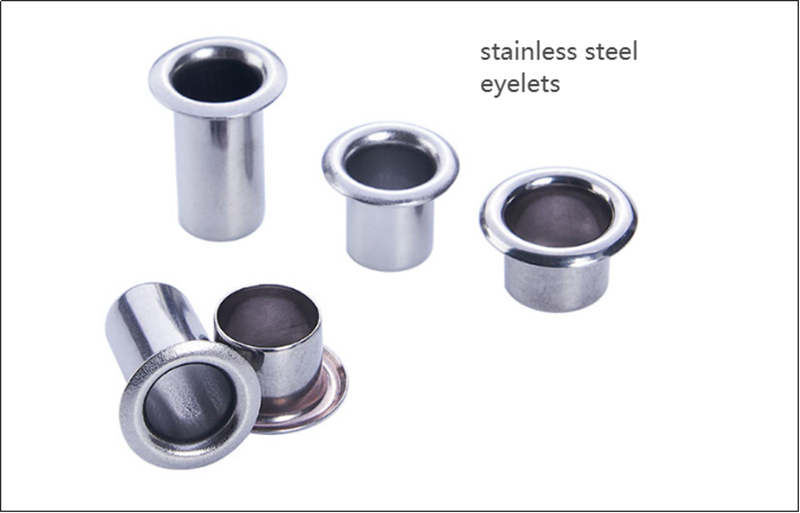
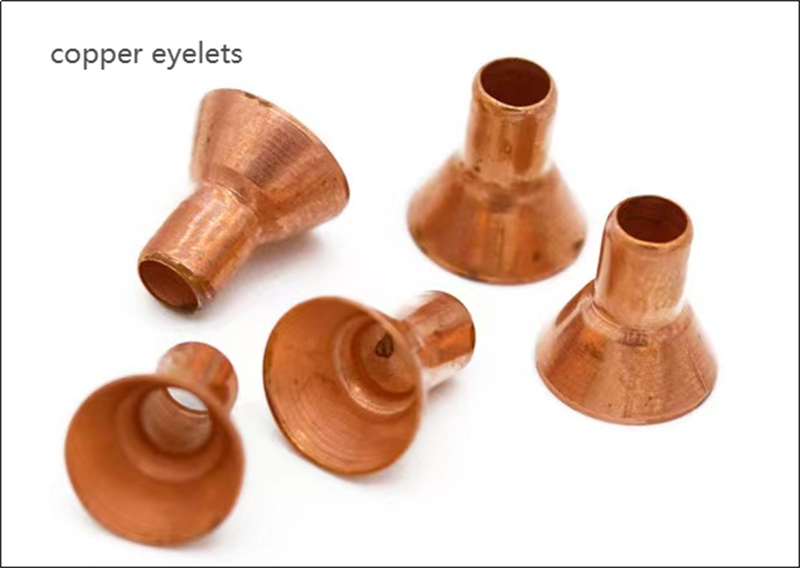
사용된 재료에 따라 다음과 같이 분류할 수 있습니다.황동 구멍, 강철 구멍, 스테인레스 스틸 작은 구멍, 알루미늄 구멍, 그리고구리 구멍. 다양한 구멍은 재료 특성에 따라 다른 특성을 갖습니다.
황동 구멍: 우수한 전기 전도성과 내식성을 제공하므로 다양한 전기 연결 및 고정 응용 분야에 널리 사용됩니다.
강철 구멍: 강철은 강도와 경도가 높으며 상대적으로 저렴합니다. 그러나 강철은 내식성이 약하고 특히 습한 환경에서 녹이 발생하기 쉽습니다. 따라서 철 구멍 리벳의 적용 범위는 상대적으로 제한됩니다.

스테인레스 스틸 구멍: 강한 내식성을 특징으로 하며 식품 등급 제품을 고정하는 데 자주 사용됩니다. 그러나 소재의 경도가 상대적으로 높아 생산이 어려워 단가가 상대적으로 높다.
알루미늄 구멍: 신발끈 구멍, 벨트 구멍, 바람막이 조임끈을 고정하는 데 사용되며 빠르게 입고 벗을 수 있으며 심미성을 향상시킵니다.
구리 구멍: 우수한 전기 전도성으로 인해 전자 제품을 연결하고 고정하는 데 자주 사용됩니다.
아일렛에는 어떤 표면 처리가 가능한가요?
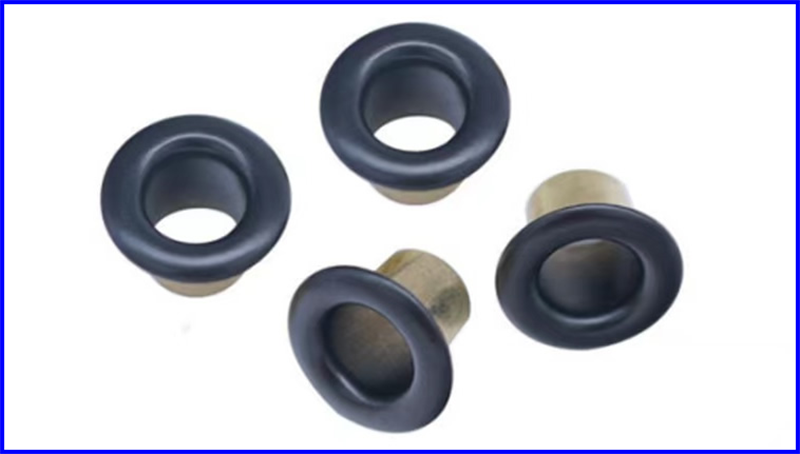
작은 구멍은 용융 아연 도금 및 광택 처리되어 표면에 정전기 방지, 부식 방지 및 항알레르기 특성을 제공하는 보호 층을 만듭니다. 구리 구멍은 흰색 니켈, 광택 주석, 모조 금, 골동품 청동, 무광 니켈, 청동, 아연 및 은색을 포함한 다양한 색상으로 제공됩니다.
일부 고객은 전체 디자인과 색상을 일치시키고 산화를 방지하기 위해 작은 구멍 머리 분말 코팅을 선호합니다.
- View as
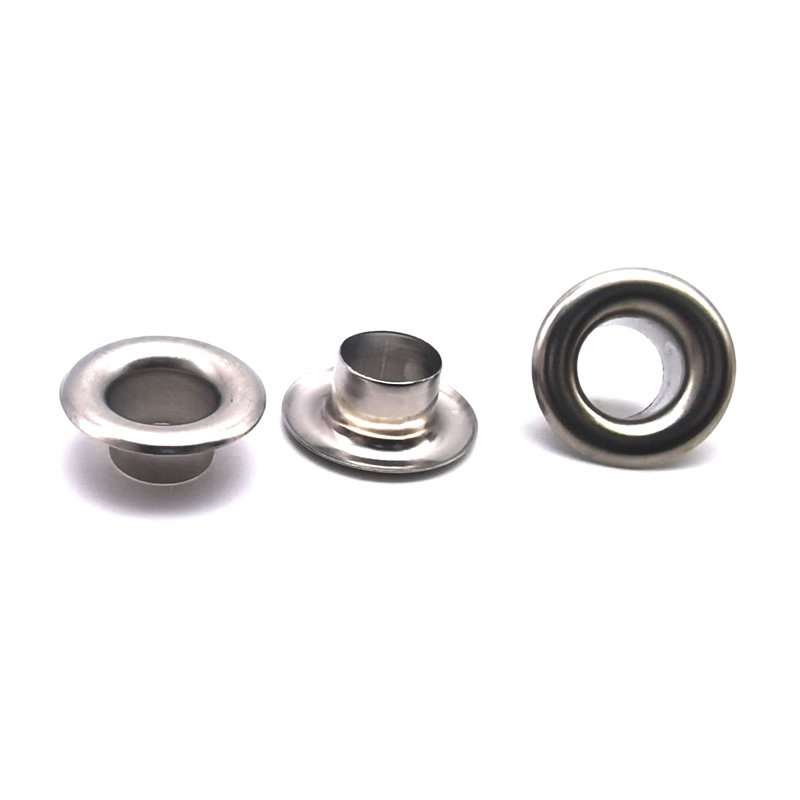
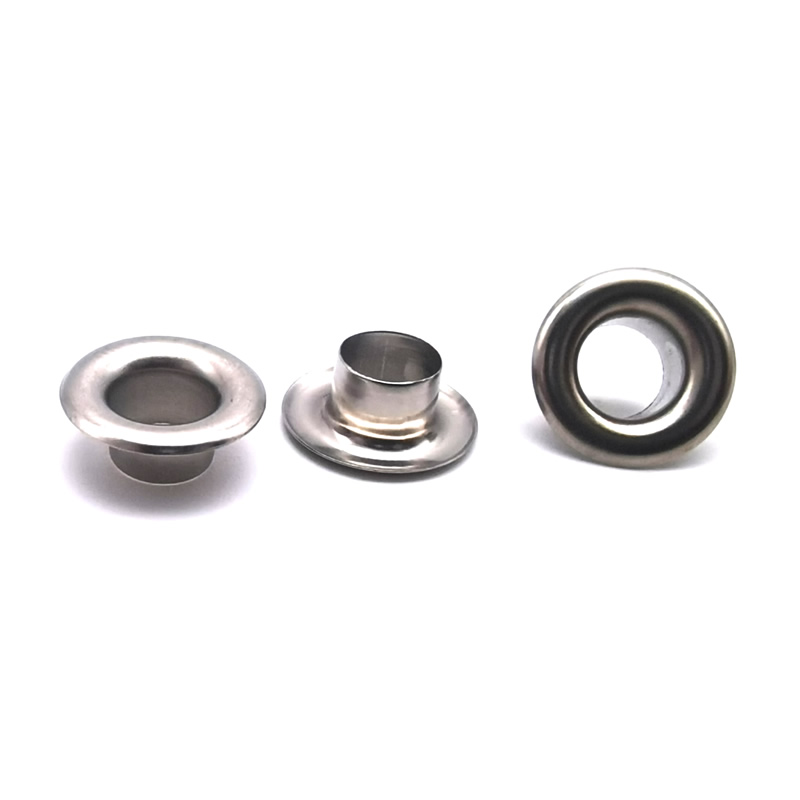
5mm 황동 구멍
더 큰 코드를 위한 더 큰 구멍. 중국 공장인 Nuote Metals는 맞춤형 5mm 황동 구멍을 생산합니다. 무거운 작업용 부츠, 두꺼운 캔버스 방수포 및 해상용 커버에 적합합니다. 내부 직경이 더 넓어 6mm 로프 또는 가죽 끈을 쉽게 수용할 수 있으며, 황동 구조는 녹과 찌그러짐을 방지합니다. 롤링된 가장자리는 하중이 가해질 때 직물이 찢어지는 것을 방지합니다. 작은 구멍을 통해 두꺼운 코드를 강요하지 마십시오. 보다 부드러운 레이싱과 긴 수명을 위해 5mm 크기를 선택하세요. 공장에서 직접 맞춤형 아일렛을 제작하려면 저희를 믿으십시오.
더 읽어보기문의 보내기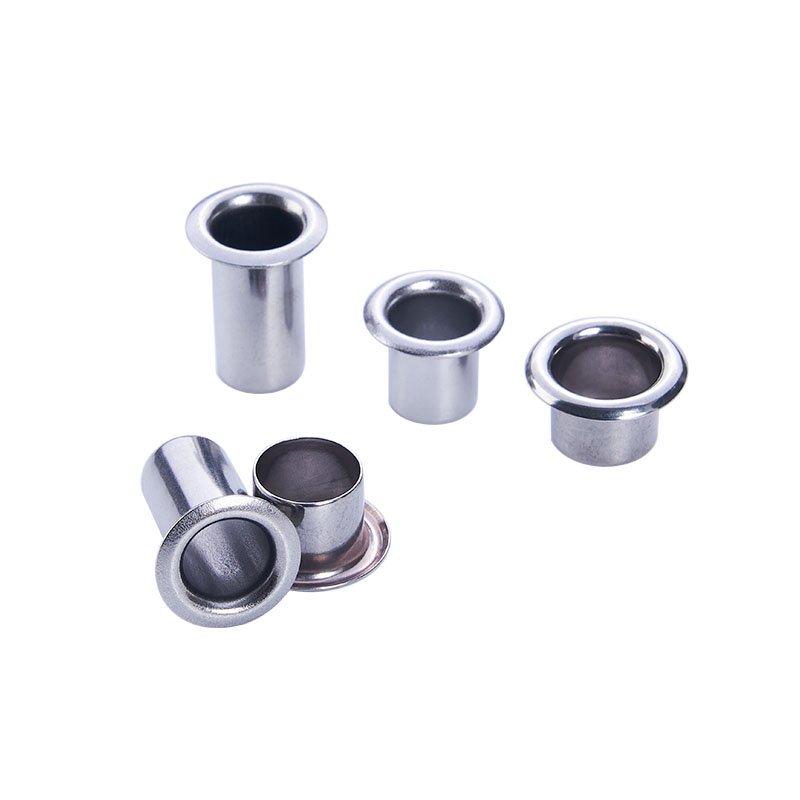
캔버스용 스테인레스 스틸 작은 구멍
실외 및 해양 환경에서는 부식 방지 강화가 필요합니다. 중국 공장인 Nuote Metals는 캔버스용 맞춤형 스테인레스 스틸 구멍을 생산합니다. 304등급 또는 316등급 강철은 녹 얼룩 없이 염수 분무, UV 및 습기를 견딥니다. 롤링된 테두리는 장력으로 인해 직물 가장자리가 해어지는 것을 방지합니다. 보트 커버, 트럭 방수포 및 차양에 적합합니다. 열악한 조건에서 패스너 고장을 해결합니다. 일반 황동이나 아연보다 내구성이 뛰어난 스테인레스 구멍을 찾으려면 당사를 믿으십시오.
더 읽어보기문의 보내기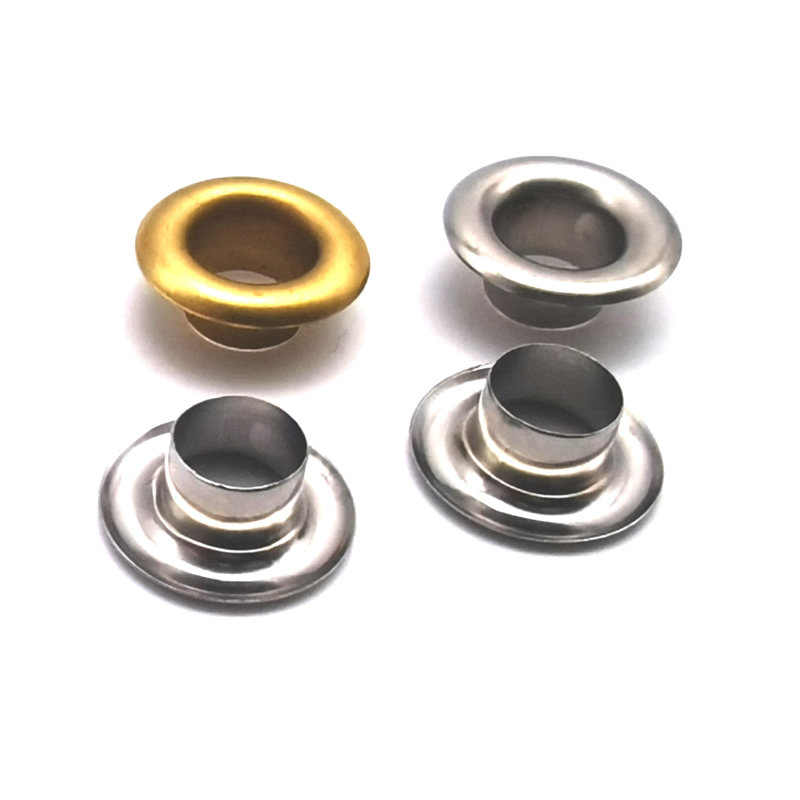
캔버스용 황동 구멍
견고한 캔버스 적용을 위해 중국의 Nuote Metals는 내구성이 뛰어난 캔버스용 맞춤형 황동 구멍을 공급합니다. 표준 구멍과 달리 당사의 황동 구조는 녹에 강하고 변형 없이 높은 응력 당김을 처리합니다. 방수포, 보트 커버, 텐트 및 야외 배너에 적합합니다. 롤링된 가장자리는 캔버스 섬유가 해어지는 것을 방지하고 더 넓은 플랜지는 하중을 고르게 분산시킵니다. 공장에서 직접 제작한 황동 구멍으로 조기 찢어짐 및 부식 문제를 해결하십시오. 날씨와 마모를 견디는 견고한 보강재를 믿으십시오.
더 읽어보기문의 보내기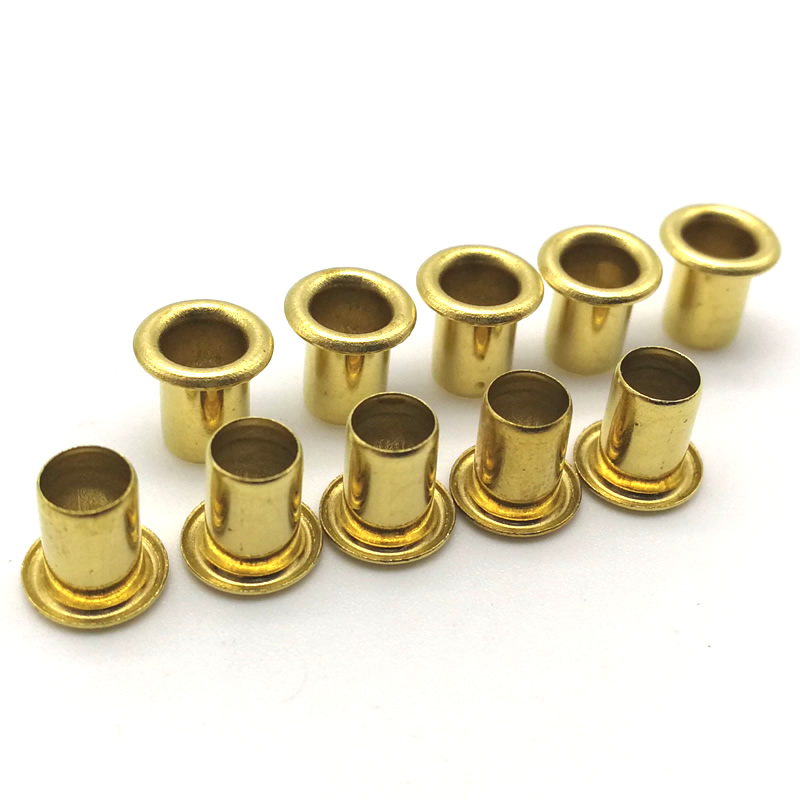
작은 구멍의 주요 용도는 무엇입니까?
작은 구멍 리벳은 건설, 자동차, 해양, 항공 및 전자 산업에서 널리 사용됩니다.
건설 산업에서는 아일렛 리벳을 사용하여 철골 빔, 기둥 등 다양한 금속 부품을 연결합니다.
자동차, 해양, 항공 산업에서 아일렛 리벳은 알루미늄 합금, 티타늄 합금 등 다양한 재료를 연결하는 데 사용됩니다.
전자 산업에서 아일렛 리벳은 금속판, 플라스틱 시트 등 다양한 금속 및 비금속 재료를 연결하는 데 사용됩니다.
작은 구멍을 리벳하는 데 사용되는 도구는 무엇입니까?
작은 구멍 리벳은 수동 또는 전기 리벳팅 플라이어를 사용하여 리벳을 박을 수 있습니다. 수동 리벳팅 플라이어는 일반적인 도구이며 일반적으로 작은 구멍을 리벳팅하는 데 적합합니다. 전기 리벳팅 플라이어는 큰 구멍과 대량을 리벳팅하는 데 적합합니다.
리벳을 박기 전에 어떤 준비가 필요합니까?
리벳팅 전 준비에는 리벳팅할 재료의 표면을 청소하고 적절한 리벳 구멍 직경을 선택하는 것이 포함됩니다. 리벳을 박는 재료의 표면을 청소하면 표면의 먼지와 기름기가 제거되어 접합이 확실해집니다. 적절한 리벳 구멍 직경을 선택하면 리벳팅 중에 균열이나 풀림을 방지할 수 있습니다.
리벳을 박을 때 어떤 예방 조치를 취해야 합니까?
1. 아일렛 리벳의 설치 위치는 리벳 구멍의 중심선과 일치해야 합니다.
2. 아일렛 생크는 리벳팅 중에 리벳팅되는 재료의 표면에 수직이어야 합니다.
3. 아일릿 헤드는 수평으로 안정된 상태를 유지해야 합니다.
4. 아일렛 구멍의 깊이는 리벳 생크 길이와 아일렛 압착 부분의 길이를 합한 것과 같아야 합니다.
5. 리베팅력은 재료의 두께와 성질에 따라 너무 높지도 낮지도 않은 적당한 수준이어야 합니다.
6. 리벳팅 후 구멍 품질을 검사하여 구멍이 부러졌거나 이물질이 있는지 검사해야 합니다.
결론
아일렛 리벳은 다양한 금속 시트와 이종 재료를 연결하는 데 널리 사용할 수 있는 다목적 리벳 패스너입니다. 리벳을 박기 전에 적절한 리벳 구멍 직경을 선택하고 리벳을 박는 재료의 표면을 청소하는 등 철저한 준비가 필요합니다. 리벳팅 시 고품질 연결을 보장하려면 리벳팅 힘, 구멍 깊이 등의 요소를 신중하게 고려해야 합니다.



X
당사는 귀하에게 더 나은 탐색 경험을 제공하고, 사이트 트래픽을 분석하고, 콘텐츠를 개인화하기 위해 쿠키를 사용합니다. 이 사이트를 이용함으로써 귀하는 당사의 쿠키 사용에 동의하게 됩니다.
개인 정보 보호 정책