작은 구멍
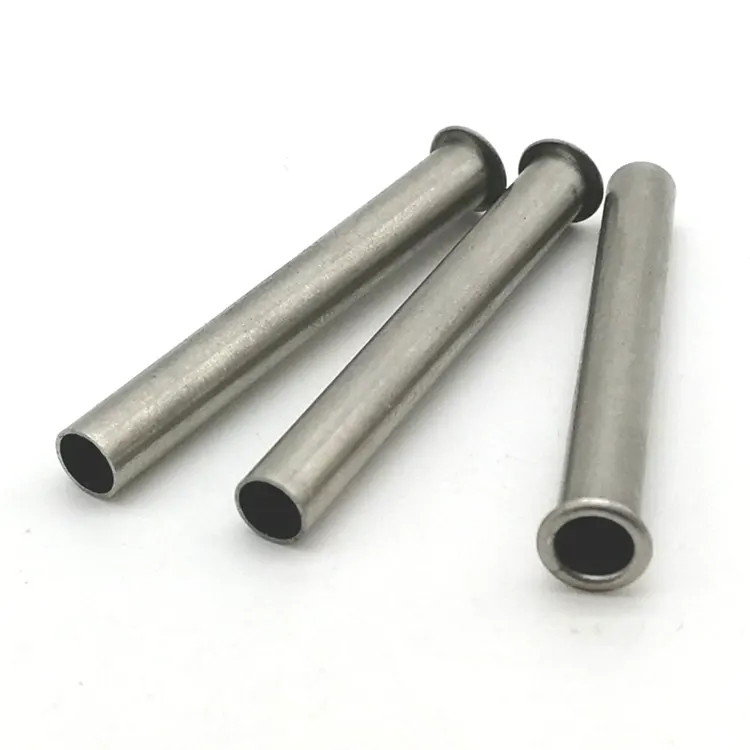
- View as
SS 작은 구멍
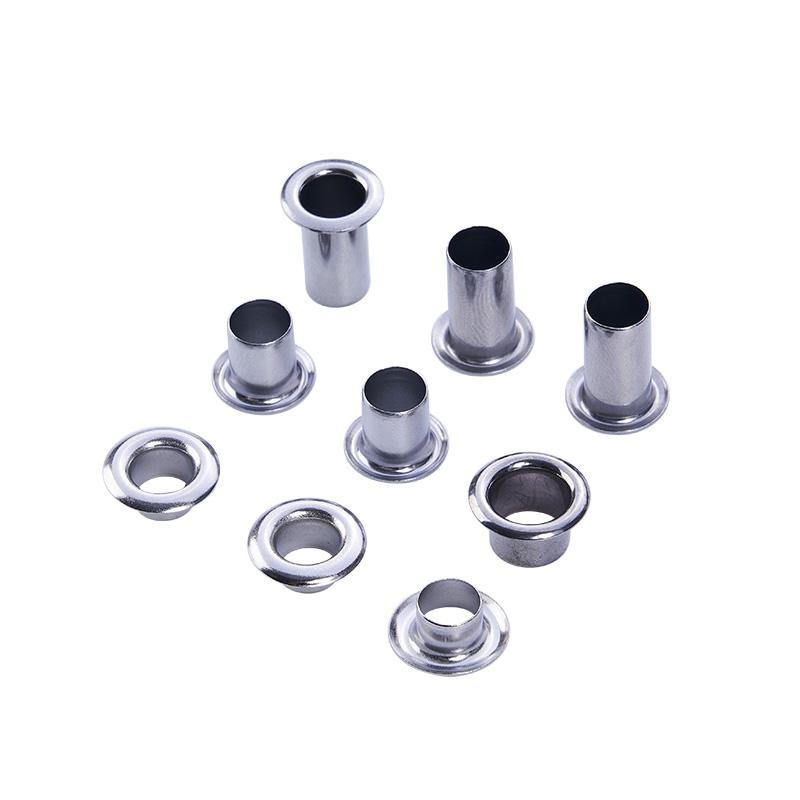
우리는 동관의 Nuote Metals입니다. 우리 공장에서는 매일 튼튼한 SS 구멍을 만들고 있습니다. SS는 스테인레스 스틸을 의미합니다. 이 SS 구멍은 쉽게 녹슬지 않습니다. 우리는 좋은 스테인레스 스틸을 사용하여 만듭니다. 우리의 SS 구멍은 다양한 크기로 제공됩니다. 일부는 가벼운 품목에 적합합니다. 일부는 많이 사용하기에는 큽니다. 각 ss 구멍은 우리 팀에서 검사합니다. 그들은 마무리와 모양을 봅니다. 많은 고객이 우리의 SS 구멍을 선택합니다. 그들은 오래 지속되고 반짝임을 유지하는 것을 좋아합니다. 우리는 새로운 주문에 대해 신속하게 샘플을 만들 수 있습니다.
더 읽어보기문의 보내기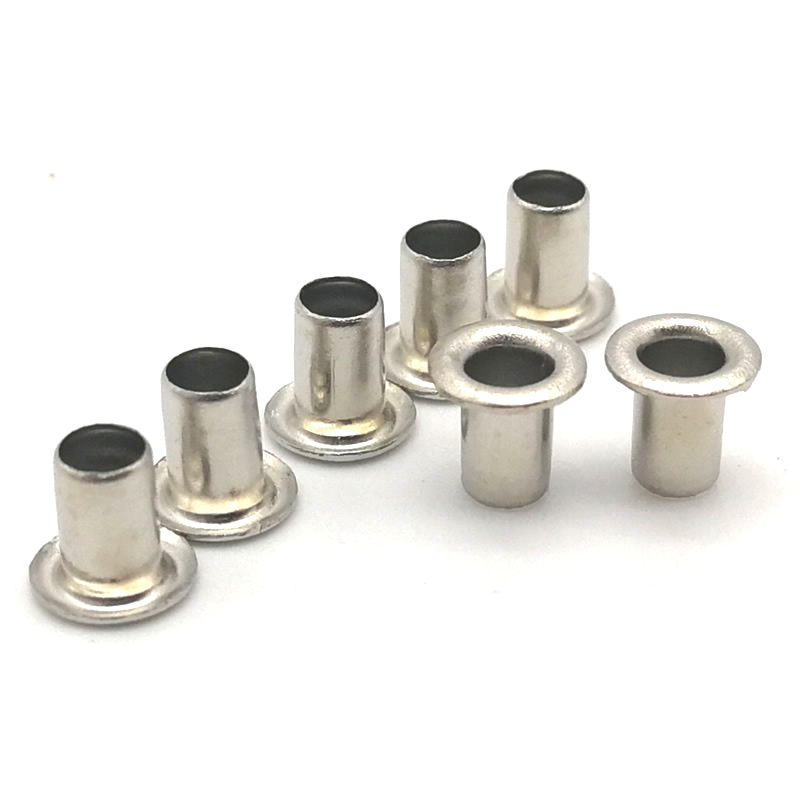
아일렛 스틸
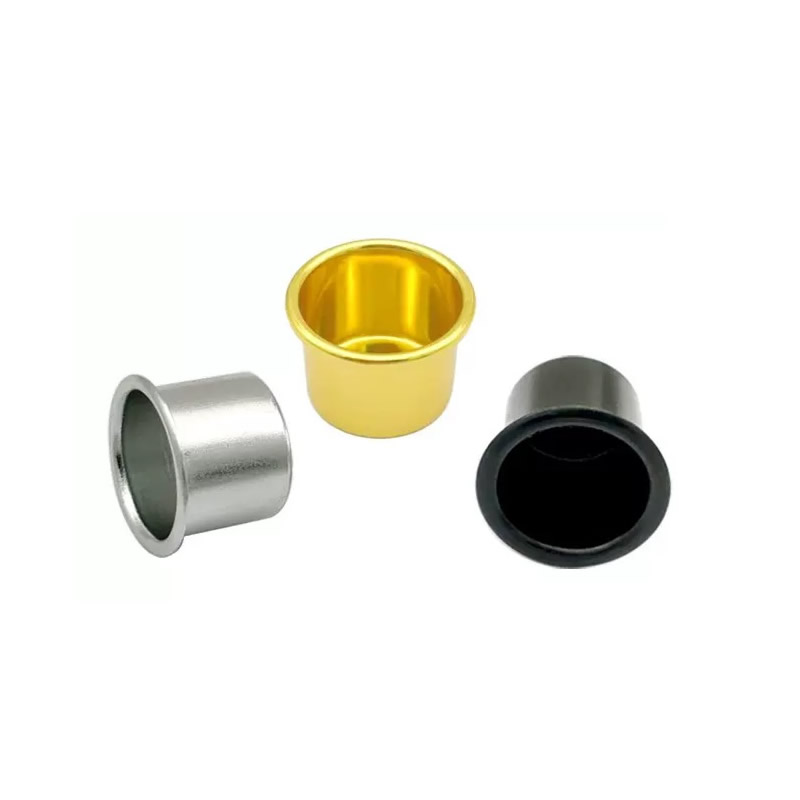
우리는 동관에 위치한 Nuote Metals입니다. 우리 공장은 작은 구멍 강철 생산을 전문으로합니다. 우리는 수년 동안 작은 구멍 강철로 작업해 왔습니다. 이 유형의 강철은 강하고 성형하기 쉽도록 만들어졌습니다. 우리는 강철을 얇은 시트나 코일로 가공합니다. 그런 다음 잘라서 구멍 모양으로 만듭니다. 우리의 작은 구멍 강철은 깨끗하고 매끄 럽습니다. 거친 가장자리가 없습니다. 우리는 이 작은 구멍 강철로 다양한 크기를 만듭니다. 각 제품의 품질을 검사합니다. 많은 고객이 당사의 아일렛 스틸 제품을 구매합니다. 그들은 힘과 마무리를 신뢰합니다. 특별 주문을 위해 작은 구멍 강철을 맞춤 제작할 수도 있습니다.
더 읽어보기문의 보내기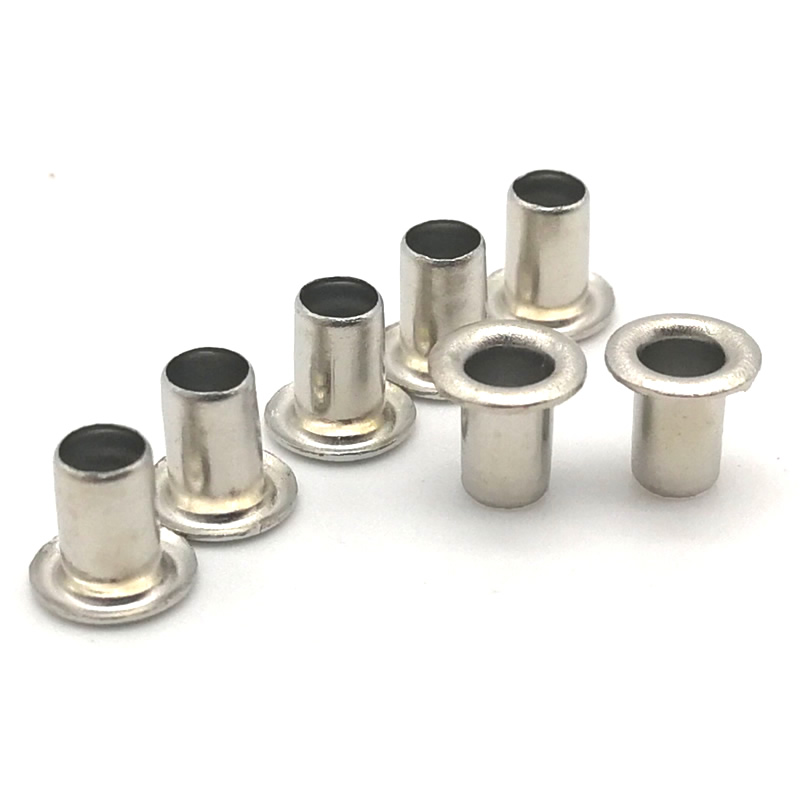
강철 그로밋
안녕하세요, 중국 둥관에서 왔습니다. 우리는 Nuote Metals입니다. 우리는 여기서 튼튼한 강철 그로밋을 만듭니다. 우리 공장에서는 매일 강철 그로밋을 생산합니다. 좋은 철재를 사용합니다. 이 강철은 두껍고 내구성이 좋습니다. 우리는 다양한 크기의 강철 고리를 만듭니다. 일부는 작습니다. 일부는 매우 큽니다. 모든 강철 그로밋은 우리 팀에서 점검합니다. 그들은 각 조각을 주의 깊게 살펴봅니다. 많은 고객들이 우리의 강철 고리를 계속해서 구매합니다. 그들은 우리의 품질을 좋아합니다. 그들은 우리 제품을 신뢰합니다. 우리는 모두를 위해 좋은 강철 그로밋을 만들기 위해 열심히 노력하고 있습니다.
더 읽어보기문의 보내기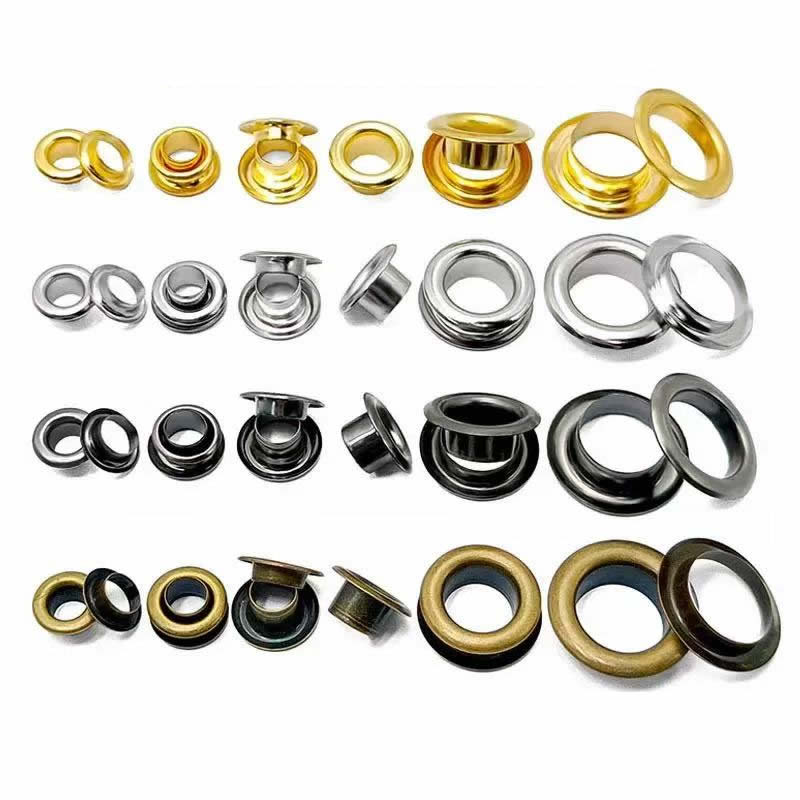
배너 구멍
우리는 중국 동관 출신의 Nuote Metals입니다. 우리는 광고 배너용 배너 구멍을 만듭니다. 우리 공장은 수년 동안 배너 구멍을 생산해 왔습니다. 우리는 배너 구멍을 만들기 위해 강한 재료를 사용합니다. 황동과 강철이 우리의 주요 재료입니다. 우리는 배너 구멍을 다양하게 만듭니다. 크기. 작은 배너는 작은 배너 구멍을 사용합니다. 대형 배너에는 큰 배너 구멍이 필요합니다. 매 배너 구멍은 배송 전에 직원이 확인합니다. 그들은 각 부분이 완벽한지 확인합니다. 많은 광고 회사가 당사의 배너 구멍을 사용합니다. 그들은 우리의 품질과 좋은 가격을 좋아합니다. 신규 고객을 위해 샘플을 빠르게 만들 수 있습니다.
더 읽어보기문의 보내기

316 스테인레스 스틸 작은 구멍
Nuote Metals는 Dongguan 시설에서 내구성이 뛰어난 316 스테인리스강 구멍을 제조합니다. 이 소재는 녹에 매우 잘 견딘다는 점에서 특별합니다. 우리는 수년 동안 316 스테인리스 스틸 구멍을 생산해 왔습니다. 이 구멍은 튼튼하고 오랫동안 지속될 수 있습니다. 우리는 다양한 크기로 만듭니다. 일부는 섬세한 제품의 경우 작습니다. 일부는 중부하 작업용으로 크기가 큽니다. 우리 팀은 모든 316 스테인리스 스틸 구멍을 검사합니다. 그들은 각 조각이 부드럽고 깨끗한지 확인합니다. 많은 고객이 316 스테인리스 스틸 아일렛을 선택합니다. 그들은 품질과 내구성을 신뢰합니다. 우리는 며칠 이내에 샘플을 제공할 수 있습니다.
더 읽어보기문의 보내기작은 구멍의 주요 용도는 무엇입니까?
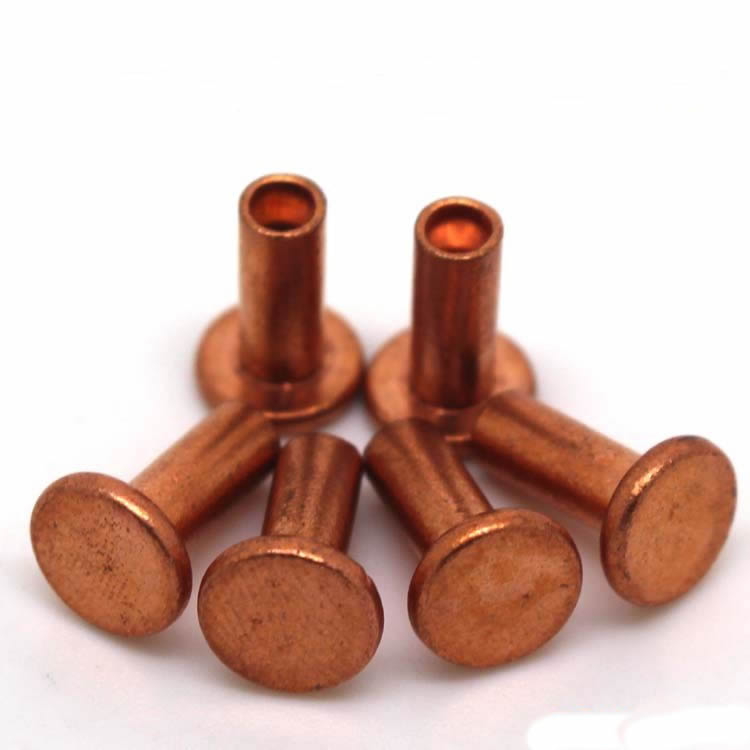
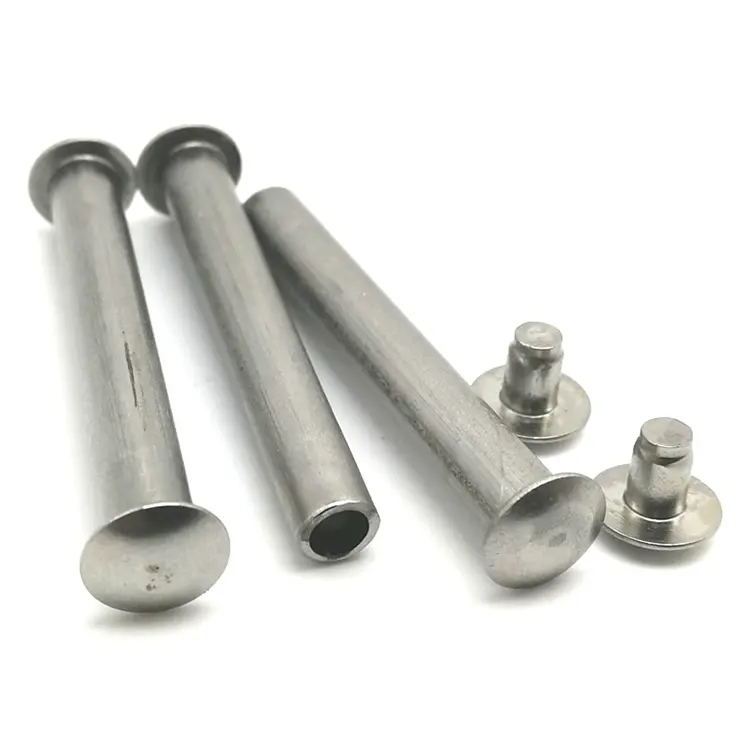
작은 구멍 리벳은 건설, 자동차, 해양, 항공 및 전자 산업에서 널리 사용됩니다.
건설 산업에서는 아일렛 리벳을 사용하여 철골 빔, 기둥 등 다양한 금속 부품을 연결합니다.
자동차, 해양, 항공 산업에서 아일렛 리벳은 알루미늄 합금, 티타늄 합금 등 다양한 재료를 연결하는 데 사용됩니다.
전자 산업에서 아일렛 리벳은 금속판, 플라스틱 시트 등 다양한 금속 및 비금속 재료를 연결하는 데 사용됩니다.
작은 구멍을 리벳하는 데 사용되는 도구는 무엇입니까?
작은 구멍 리벳은 수동 또는 전기 리벳팅 플라이어를 사용하여 리벳을 박을 수 있습니다. 수동 리벳팅 플라이어는 일반적인 도구이며 일반적으로 작은 구멍을 리벳팅하는 데 적합합니다. 전기 리벳팅 플라이어는 큰 구멍과 대량을 리벳팅하는 데 적합합니다.
리벳을 박기 전에 어떤 준비가 필요합니까?
리벳팅 전 준비에는 리벳팅할 재료의 표면을 청소하고 적절한 리벳 구멍 직경을 선택하는 것이 포함됩니다. 리벳을 박는 재료의 표면을 청소하면 표면의 먼지와 기름기가 제거되어 접합이 확실해집니다. 적절한 리벳 구멍 직경을 선택하면 리벳팅 중에 균열이나 풀림을 방지할 수 있습니다.
리벳을 박을 때 어떤 예방 조치를 취해야 합니까?
1. 아일렛 리벳의 설치 위치는 리벳 구멍의 중심선과 일치해야 합니다.
2. 아일렛 생크는 리벳팅 중에 리벳팅되는 재료의 표면에 수직이어야 합니다.
3. 아일릿 헤드는 수평으로 안정된 상태를 유지해야 합니다.
4. 아일렛 구멍의 깊이는 리벳 생크 길이와 아일렛 압착 부분의 길이를 합한 것과 같아야 합니다.
5. 리베팅력은 재료의 두께와 성질에 따라 너무 높지도 낮지도 않은 적당한 수준이어야 합니다.
6. 리벳팅 후 구멍 품질을 검사하여 구멍이 부러졌거나 이물질이 있는지 검사해야 합니다.
결론
아일렛 리벳은 다양한 금속 시트와 이종 재료를 연결하는 데 널리 사용할 수 있는 다목적 리벳 패스너입니다. 리벳을 박기 전에 적절한 리벳 구멍 직경을 선택하고 리벳을 박는 재료의 표면을 청소하는 등 철저한 준비가 필요합니다. 리벳팅 시 고품질 연결을 보장하려면 리벳팅 힘, 구멍 깊이 등의 요소를 신중하게 고려해야 합니다.



X
당사는 귀하에게 더 나은 탐색 경험을 제공하고, 사이트 트래픽을 분석하고, 콘텐츠를 개인화하기 위해 쿠키를 사용합니다. 이 사이트를 이용함으로써 귀하는 당사의 쿠키 사용에 동의하게 됩니다.
개인 정보 보호 정책