스탬핑 부품
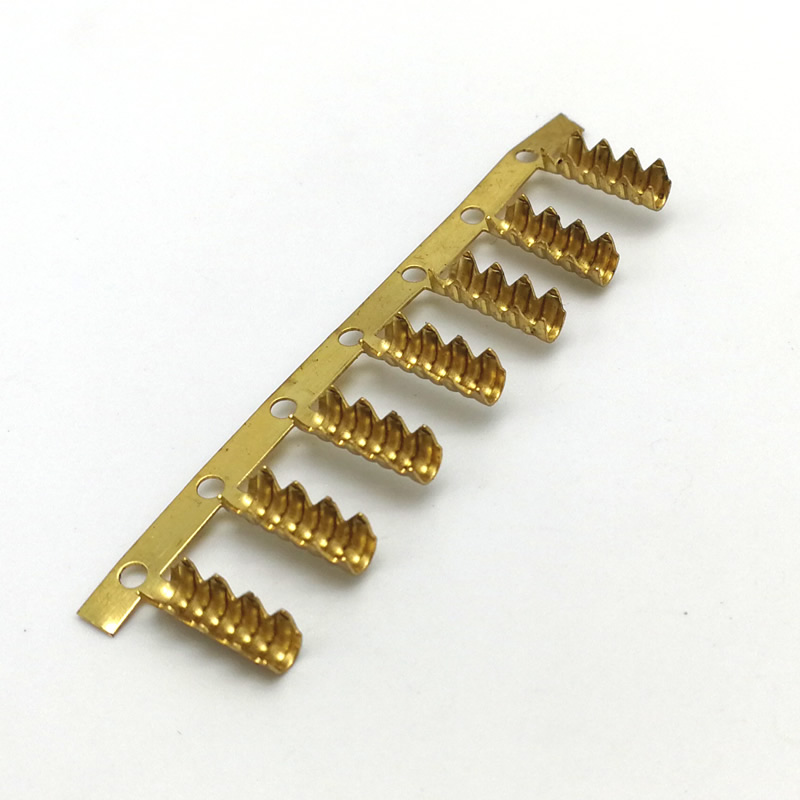
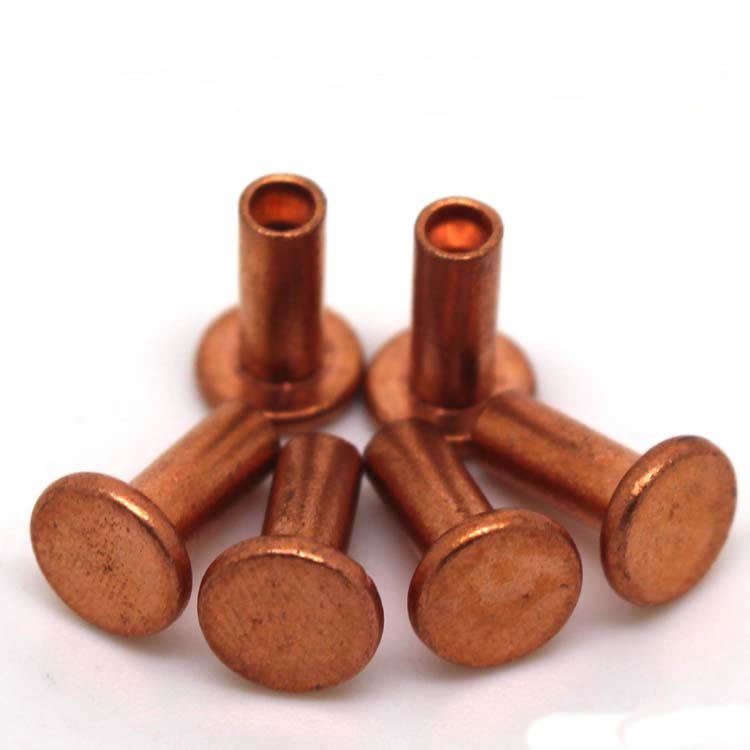
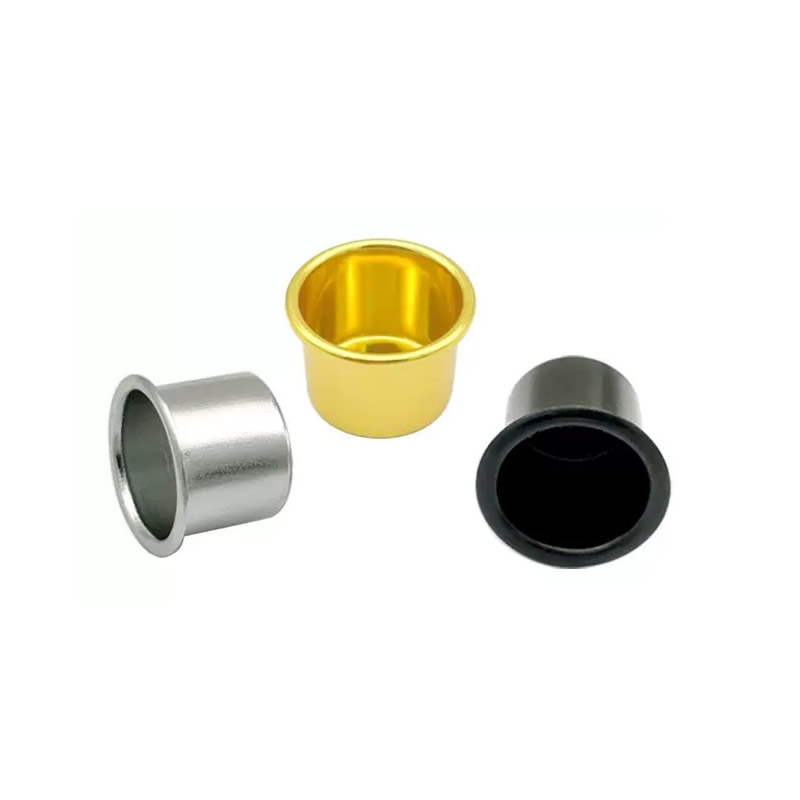
- View as
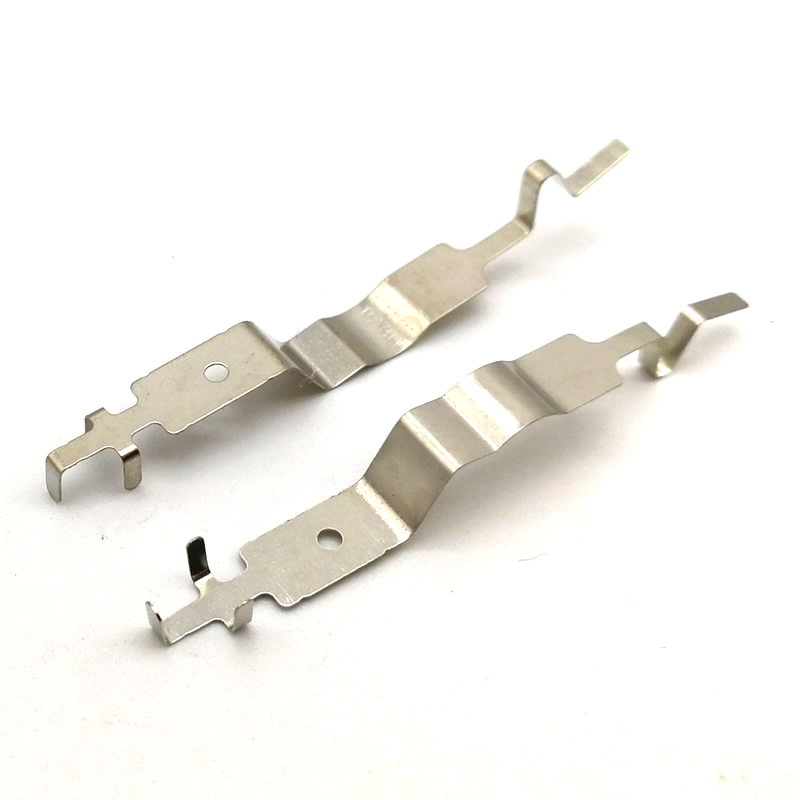
OEM 금속 스탬핑
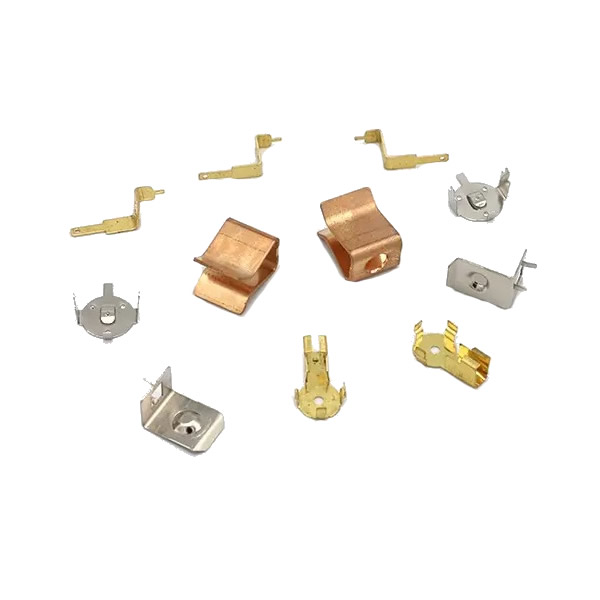
OEM 스탬핑 부품은 도면 충족 여부로 판단되지 않습니다. 5년차 생산이 브랜드가 승인한 첫 번째 제품과 일치하는지 여부로 판단됩니다. Nuote Metals는 중국에서 사양 잠금, ECN 제어 및 코일-상자 추적 기능을 갖춘 OEM 금속 스탬핑을 제공합니다. 브래킷, 단자, 클립 및 덮개. PPAP 및 연간 재인증이 가능합니다.
더 읽어보기문의 보내기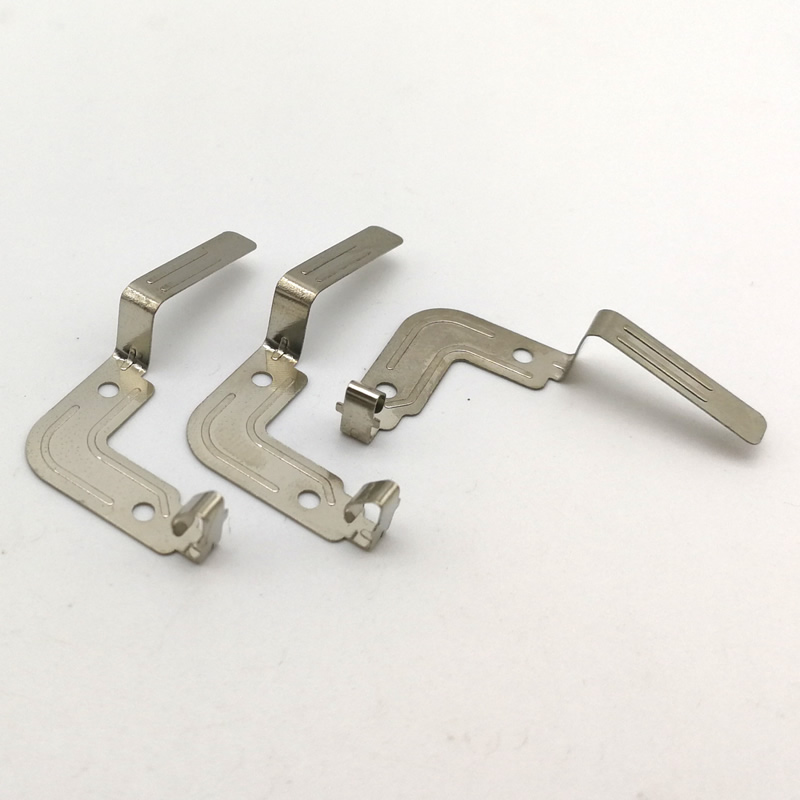
정밀 금속 스탬핑 부품
정밀 스탬핑 다이는 표준 다이의 3배에 달하는 비용이 듭니다. 왜냐하면 다이는 공차 자체가 아닌 부품 공차의 일부로 가공되기 때문입니다. Nuote Metals는 모든 생산 실행 전에 느린 와이어 EDM 다이(±0.003mm), 좌표 연삭 펀치 및 슬라이더 평행성이 검증된 프레스를 사용하여 중국에서 정밀 금속 스탬핑 부품을 생산합니다. 중요한 기능에서 ±0.02mm. PPAP 및 Cpk가 문서화되었습니다.
더 읽어보기문의 보내기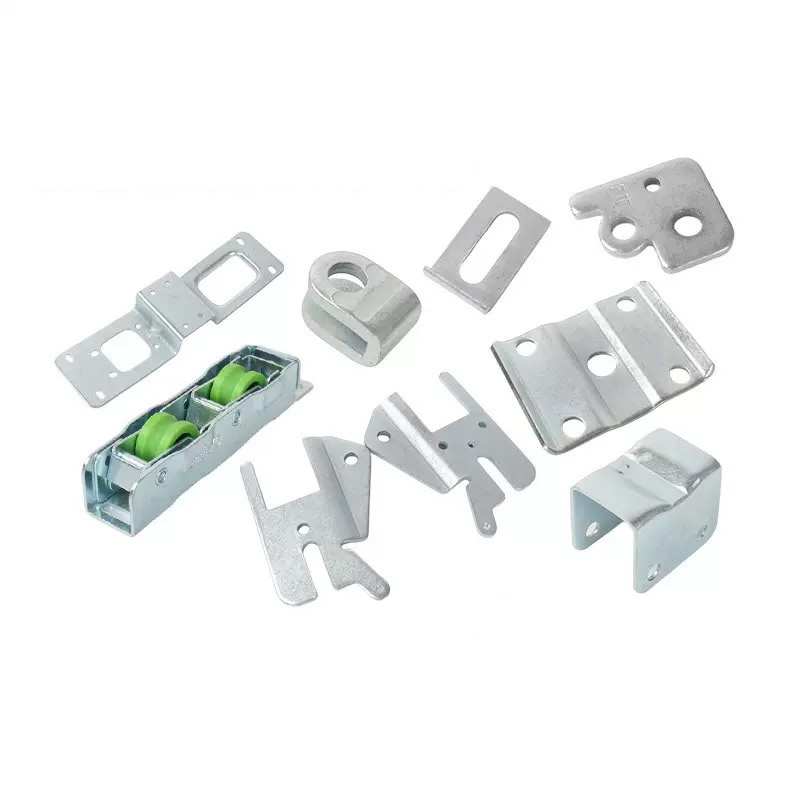
스탬핑 알루미늄 부품
알루미늄은 강철보다 2~3배 더 많이 튀어 나옵니다. 강철에서 90° 굽힘을 유지하는 다이는 알루미늄 플랜지를 86°로 유지합니다. Nuote Metals는 실제 합금 및 템퍼에서 측정된 스프링백, 측정된 회복력으로 과도하게 구부러진 다이, 굽힘 각도 및 평탄도의 인라인 검증을 통해 중국의 알루미늄 부품에 스탬프를 찍습니다. 5052, 6061, 3003 및 1100. PPAP가 문서화되었습니다.
더 읽어보기문의 보내기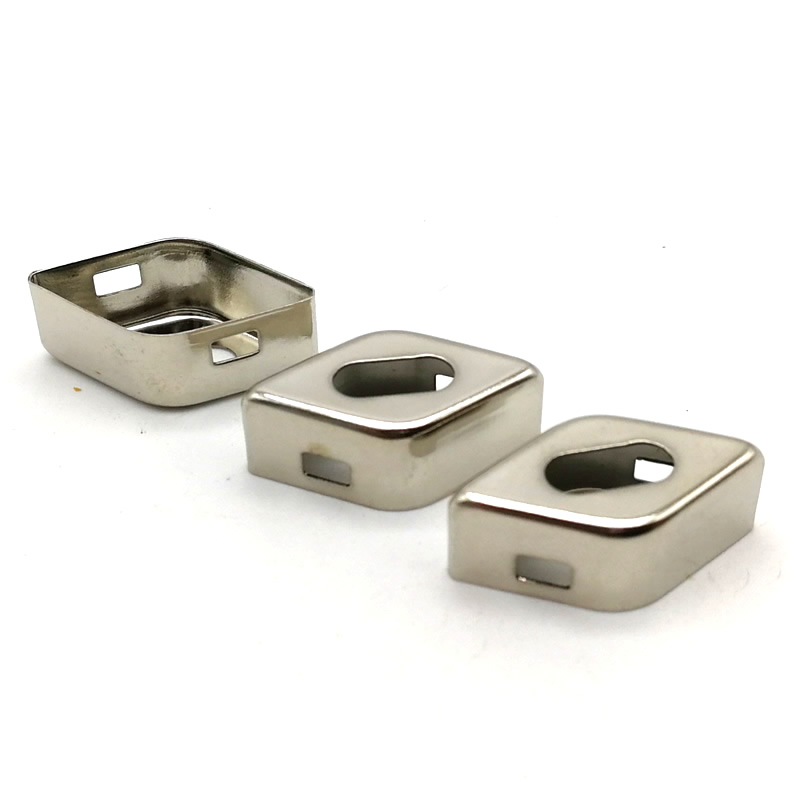
스탬프 브래킷
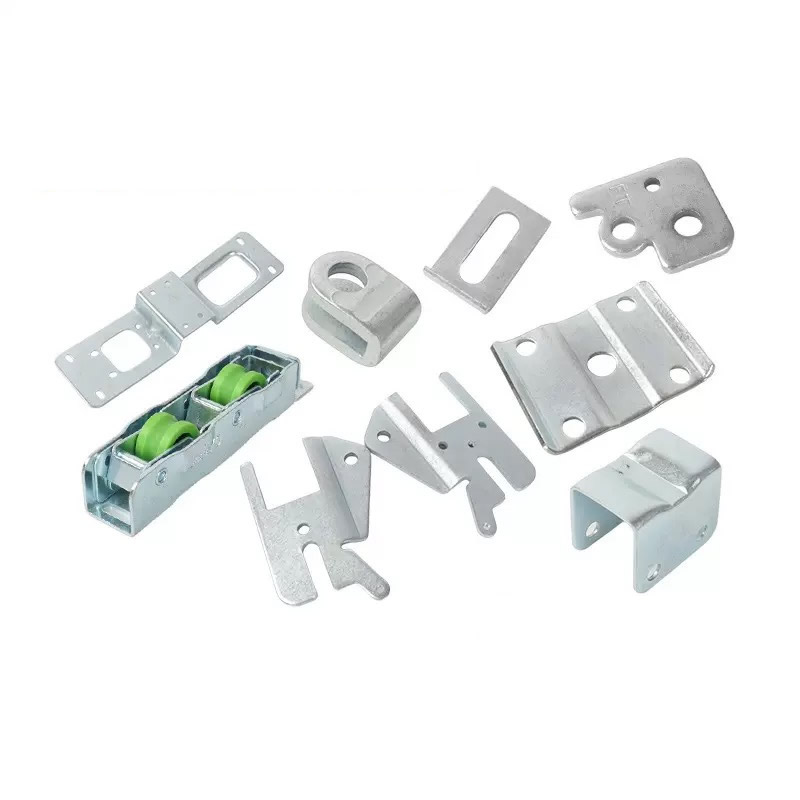
우리는 동관에 있는 Nuote Metals입니다. 저희 가게에서는 매일 각인 브라켓을 제작하고 있습니다. 스탬프가 찍힌 브래킷은 물건을 함께 고정하는 L자형 또는 U자형 금속 조각입니다. 우리는 강철 시트, 알루미늄 시트 또는 때로는 황동으로 스탬프를 찍습니다. 스탬프가 찍힌 브래킷은 튼튼하고 직선이어야 합니다. 우리는 그것들이 딱 맞도록 정확한 각도로 구부립니다. 스탬프가 찍힌 브래킷의 각 배치는 적절한 구부러짐과 구멍 위치를 검사합니다. 고객은 안정적인 장착 부품이 필요할 때 스탬프가 찍힌 브래킷을 주문합니다. 우리는 귀하의 요구 사항에 맞는지 확인하기 위해 먼저 샘플을 만들 수 있습니다.
더 읽어보기문의 보내기Some important factors to keep in mind:
Plasticity and Grain Direction – Plasticity is a measure of the permanent deformation a material undergoes when subjected to stress. Metals with greater plasticity are more susceptible to forming. Grain direction is important in high-strength materials, such as tempered metals and stainless steel. If bending occurs along a high-strength grain, cracking is more likely.
Bending Deformation/Expansion: Bending deformation causes expansion of up to 1/3 of the material thickness. This deformation/expansion becomes more severe as the material thickness increases and the bend radius decreases. Web and "mismatch" cutting: This involves making very slight indentations or protrusions in the part, typically about 0.1mm deep. This feature is not required when using composite or transfer tools, but it is essential when using progressive dies.
Advantages and Limitations of Stamping
Advantages:
- Low cost: In mass production, the cost per part can be reduced to one-third of that of a cast part;
- High consistency: Dimensional tolerances can be controlled within ±0.1mm;
- High material utilization: Through nesting optimization, the utilization rate can reach over 85%.
Limitations:
- Long mold development cycle and high initial investment, making it unsuitable for large-scale production;
- Complex three-dimensional structures (such as hollow crankshafts) require integration with other processes.
Core Application Areas of Stamping Parts
1. Automotive Industry: Accounts for over 60% of total stamping part demand, including body panels and chassis components;
2. Electronics and Electrical: For example, metal mobile phone frames and heat sinks, thicknesses can be as thin as 0.2mm;
3. Home Appliance Industry: Refrigerator panels, air conditioner housings, etc., where surface aesthetics can be enhanced through electroplating or spraying.



X
당사는 귀하에게 더 나은 탐색 경험을 제공하고, 사이트 트래픽을 분석하고, 콘텐츠를 개인화하기 위해 쿠키를 사용합니다. 이 사이트를 이용함으로써 귀하는 당사의 쿠키 사용에 동의하게 됩니다.
개인 정보 보호 정책