전체 관형 리벳

As one of professional high quality Full Tubular Rivets manufacturer, you can rest assured to buy Full Tubular Rivets from Notin and we will offer you the best after-sale service and timely delivery.


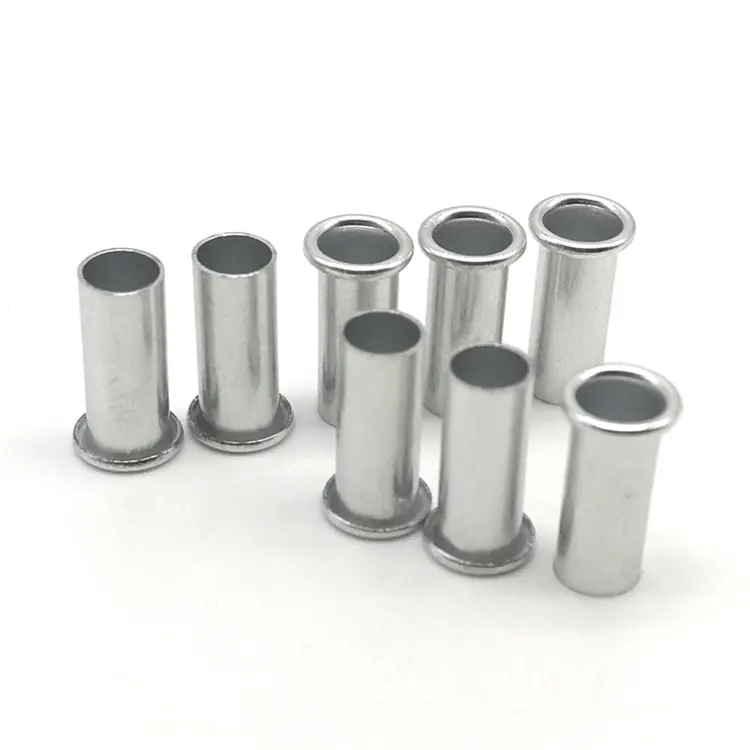
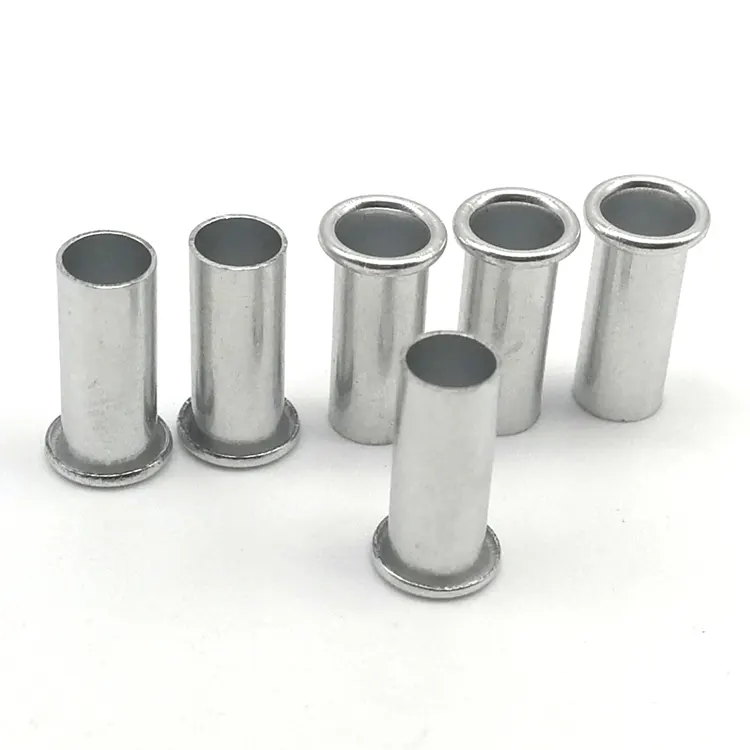
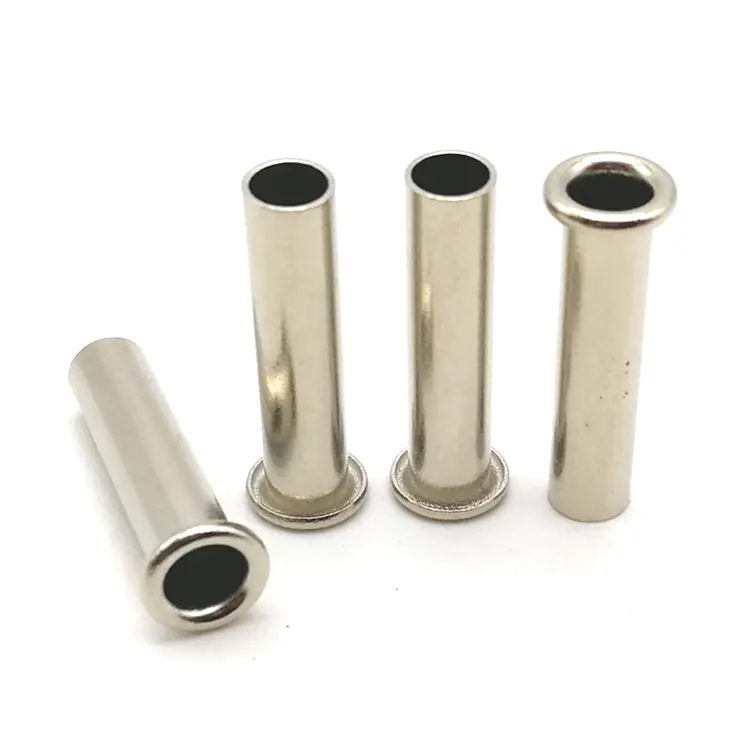
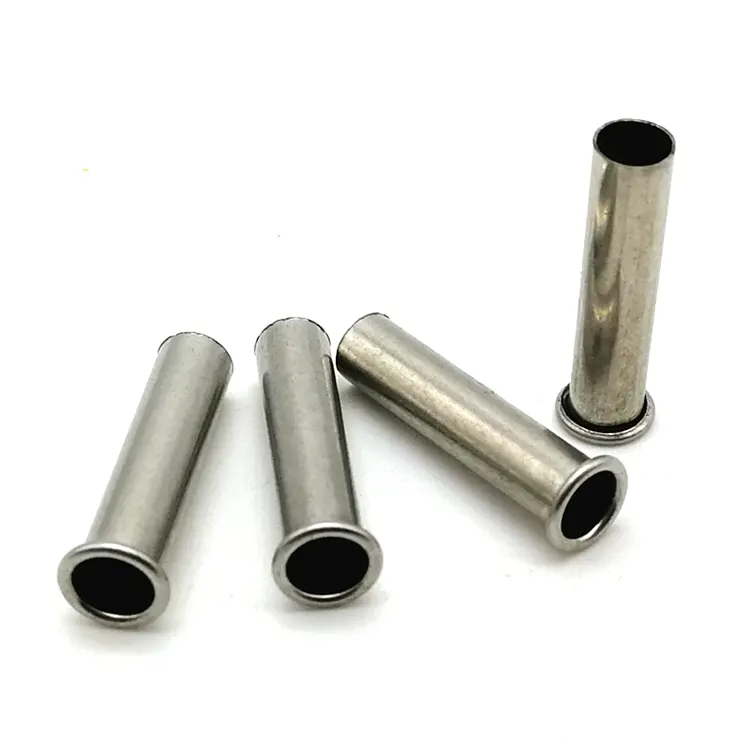
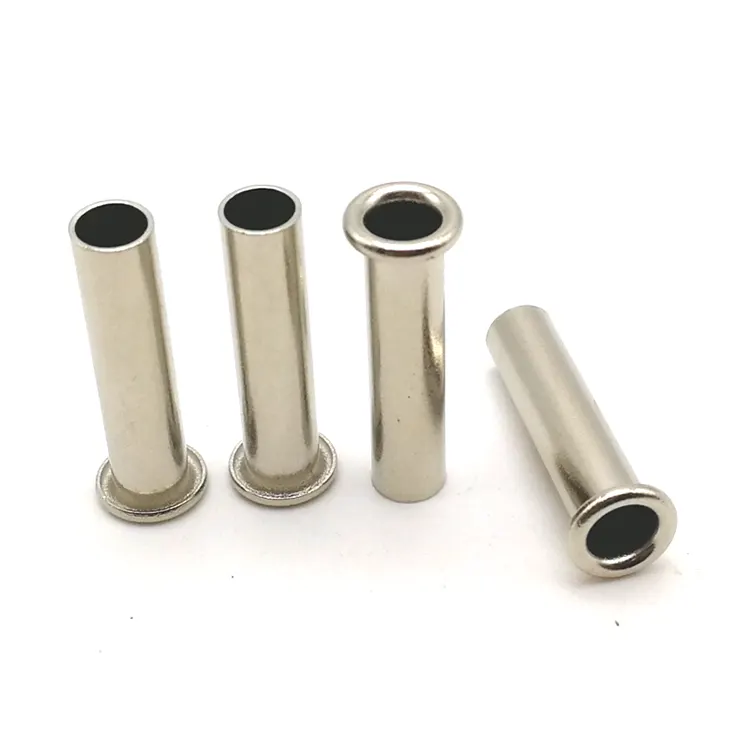
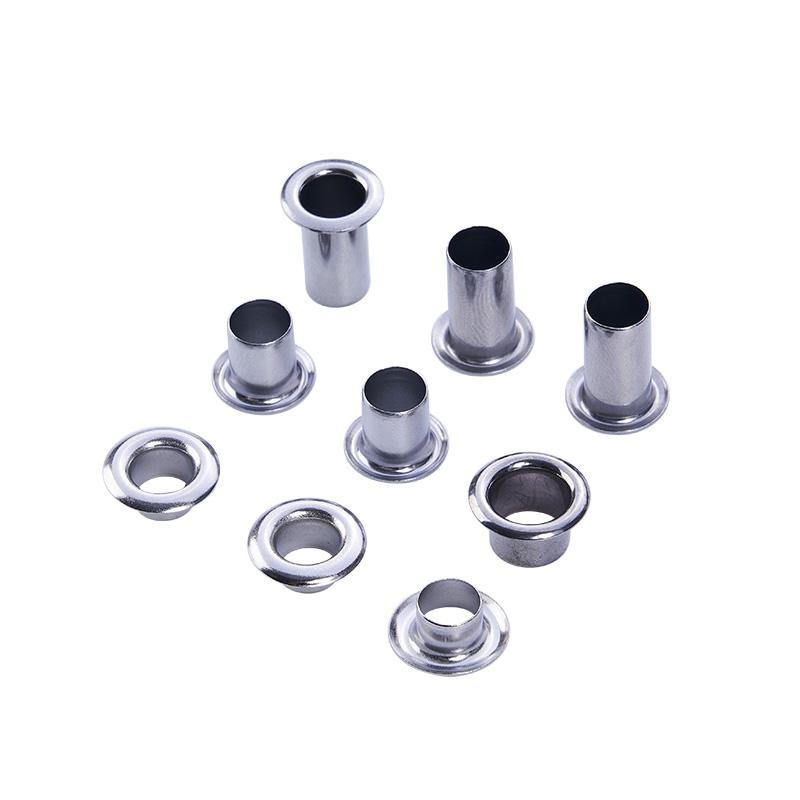
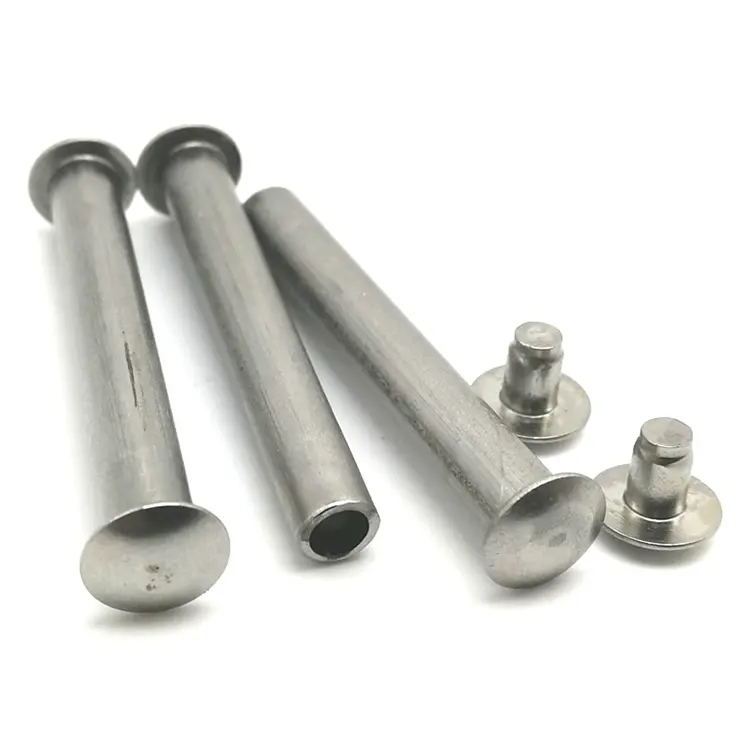
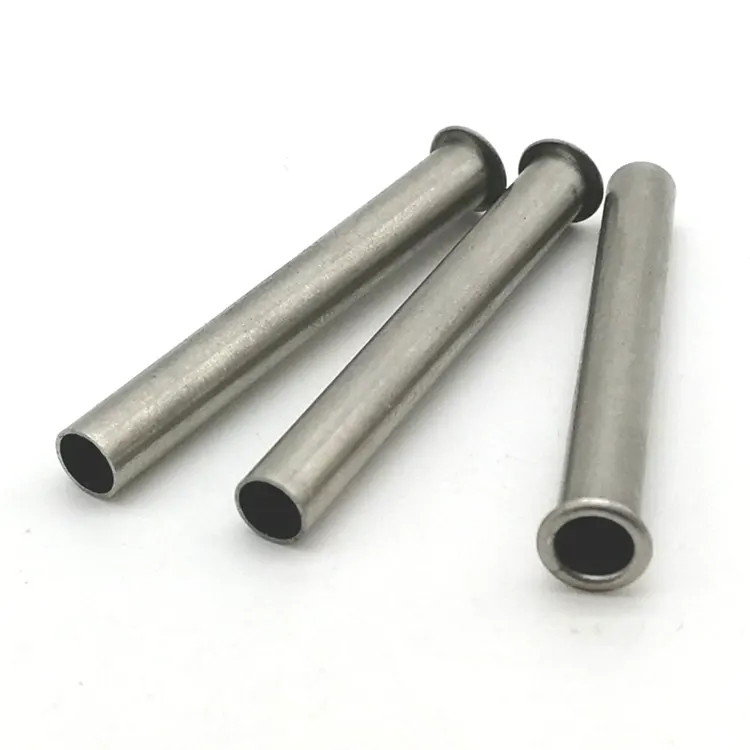
Full tubular rivets are also called as hollow rivets or tubular rivets, they are a common mechanical fastener, primarily used in applications requiring lightweighting or ventilation. Their structural characteristics are a completely hollow center with heads at each end, achieving connection through plastic deformation. Widely used in electronics, automotive manufacturing, aerospace, and other fields, they are favored for their unique structural design.


What is a hollow rivet?

A full tubular rivet consists of a shank and a head. The shank has a through hole in the center, and the head is typically round or oval. During installation, the rivet is inserted through the materials to be joined, and the tail is expanded using a specialized tool to form another head, securing the materials together. Because of the hollow center, full tubular rivets maintain ventilation or fluid conduction after connection, which is their primary difference from solid rivets.


What materials can full tubular rivets be made of? What are the characteristics of different materials?

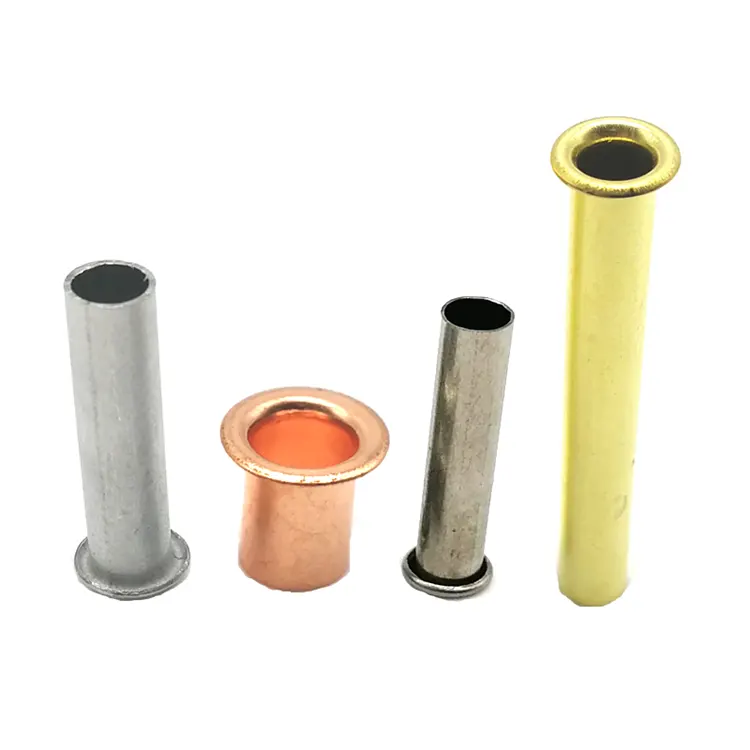
full tubular rivets are made from a variety of materials, with aluminum alloy, stainless steel, and copper being common.

Aluminum tubular rivets are lightweight and corrosion-resistant, making them suitable for electronic products and lightweight structures. They are the most cost-effective rivets.

Stainless steel tubular rivets are strong and heat-resistant, and are often used in automobiles and industrial equipment. They are more expensive than aluminum hollow rivets.

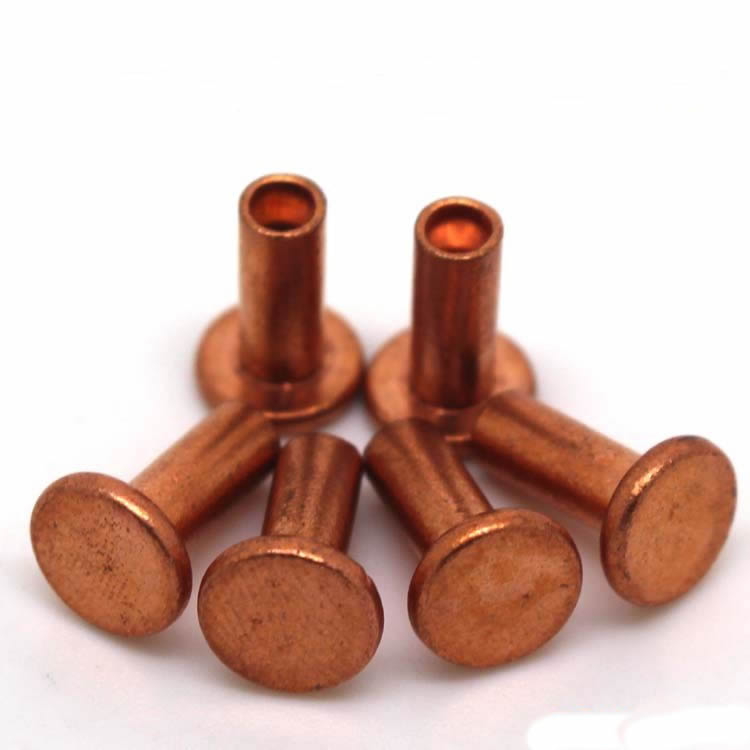
Brass tubular rivets or copper tubular rivets have good conductivity and are mostly used for electrical connections. Their disadvantage is that they are relatively expensive.

When selecting materials, factors such as the use environment, stress conditions, and cost should be considered.

Installation method of full tubular rivets

Special tools are required to install hollow rivets, such as manual riveting machines or fully automatic assembly machines.

The operation steps are as follows:

(1) Drill a hole in the material to be connected, with the hole diameter slightly larger than the rivet diameter.

(2) Insert the rivet into the hole, ensuring that the head is close to the surface of the material.

(3) Align the rivet hole with the matching punch (the punch is installed on the riveting machine). (4) Shake the riveting machine so that the tail of the rivet is impacted by external force and curls up, forming the same arc as the head, thereby achieving the fastening function.

Advantages of Full Tubular Rivets

(1) Light weight: The hollow structure reduces the amount of material used and is suitable for weight-sensitive applications.

(2) Good air permeability: The through hole in the middle can be used for ventilation or diversion to avoid sealing problems.

(3) Easy installation: Only one-side operation is required, which is suitable for narrow spaces or occasions where the back cannot be accessed.

(4) Low cost: Compared with welding or bolting, the riveting process is simple, saving time and manpower.


Disadvantages of Full Tubular Rivets

(1) Limited strength: The hollow structure leads to weak tensile and shear resistance, which is not suitable for high-load scenarios.

(2) Non-removable: Once installed, the rivet is usually not reusable, and disassembly will damage the connection.

(3) Requirements for material thickness: Materials that are too thin or too thick may affect the riveting effect.


What are the main applications of hollow rivets?

(1) Electronic products: such as computer cases, radiators, etc., taking advantage of their lightweight and air permeability.

(2) Automotive manufacturing: used for non-load-bearing parts such as interior panels and wiring harness fixings.

(3) Aerospace: reduce weight while meeting some ventilation needs.

(4) Furniture assembly: connect metal or plastic parts and simplify the installation process.

Comparison between hollow rivets and other rivets

(1) Compared with solid rivets: full tubular rivets are lighter and breathable, but have lower strength.

(2) Compared with semi-tubular rivets: the tail of semi-tubular rivets is partially hollow, with slightly higher strength, but the ventilation is not as good as full hollow rivets.

(3) Compared with blind rivets: the mandrel of blind rivets remains after installation, while the mandrel of full hollow rivets is completely detached, making the connection neater.


Suggestions for purchasing full tubular rivets

(1) Select rivets of appropriate length according to the thickness of the material to ensure that they can fully expand after installation.

(2) Consider the use environment. For example, corrosion-resistant or high-temperature resistant materials should be selected for humid or high-temperature conditions.

(3) Before purchasing in bulk, you can try it out first to confirm the riveting effect and tool compatibility.


Maintenance and precautions for full tubular rivets

(1) Avoid excessive force during installation to prevent rivet deformation or material damage.

(2) Regularly check the connection parts and replace them in time if they are loose or rusted.

(3) Keep them away from moisture during storage to prevent oxidation of the rivet surface that affects their use.

As a practical connector, full tubular rivets have irreplaceable advantages in specific scenarios. Understanding their characteristics and application methods will help you choose and use them reasonably in actual work, improving work efficiency and connection quality.


View as  
 
관형 리벳

관형 리벳

관형 리벳은 일반적으로 중공 중심이있는 정강이와 모자로 구성됩니다. 이 디자인은 축압에 노출 될 때 생크의 끝이 바깥쪽으로 말려서 다른 캡과 같은 구조를 형성하여 둘 이상의 재료를 함께 고정시킵니다. 친숙한 단단한 리벳과 달리, 중공 리벳은 반대쪽에서 망치질을 할 필요가 없으므로 한쪽에서만 작동 할 수있는 조립 응용 분야에 더 적합합니다.

더 읽어보기문의 보내기
강관 리벳

강관 리벳

강관 리벳은 가벼움, 고강도, 부식성, 우수한 밀폐 및 높은 신뢰성과 같은 장점을 제공합니다. 알루미늄 합금, 강철 및 플라스틱과 같은 다양한 재료를 결합하는 데 적합합니다. 또한, 강 파이프 리벳의 중공 몸체는 체중을 크게 줄여서 구조물의 전반적인 경량에 기여합니다.

더 읽어보기문의 보내기
스테인리스 강관 리벳

스테인리스 강관 리벳

스테인리스 강관 리벳은 몸과 캡으로 구성되며 사이에 중공 채널이 있습니다. 이 설계를 통해 리벳은 결합 프로세스 중에 압박하거나 확장하여 재료를 보호 할 수 있습니다. 스테인레스 스틸은 주로 부식 저항을 위해 선택되었습니다. 스테인레스 스틸의 크롬은 표면에 산화물 필름을 형성하여 녹을 방지하고 리벳의 수명을 연장합니다. 스테인레스 스틸은 또한 탁월한 인성과 강도를 제공하여 광범위한 환경 조건에 적합합니다. 핵금 금속은 10 년 이상 중국의 스테인레스 스틸 파이프 리벳 제조업체입니다.

더 읽어보기문의 보내기
파이프 리벳

파이프 리벳

파이프 리벳은 일반적으로 고정이 필요한 응용 분야에서 사용되지만 극도의 강도는 그렇지 않습니다. 예를 들어, 전자 장치에서는 회로 보드 또는 하우징 구성 요소를 연결하는 데 사용할 수 있습니다. 가구 제조에서는 금속 또는 목재 구조물을 고정시키는 데 사용될 수 있습니다. 일부 장식 품목 또는 작은 기계 장치 도이 리벳을 사용합니다.

더 읽어보기문의 보내기
아일랜드 리벳

아일랜드 리벳

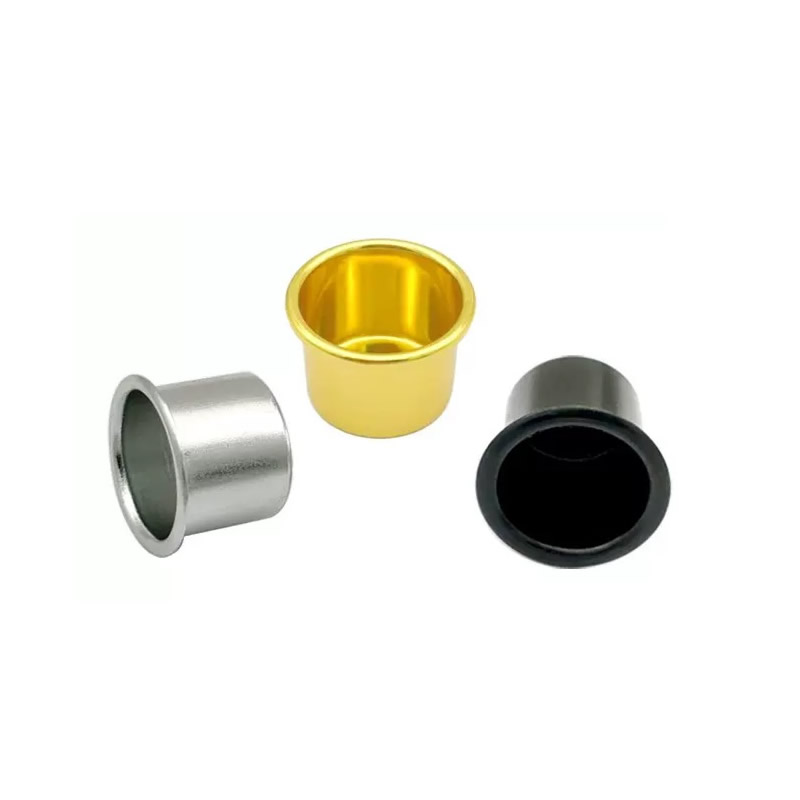
아일랜드 리벳은 얇은 알루미늄과 강판을 연결하는 데 일반적으로 사용되는 다목적 리벳입니다. 그들은 아름다운 리벳 팅 포인트, 강한 구조 및 조절 식 높이를 특징으로합니다. 그들은 다양한 금속 플레이트와 다른 재료를 연결하는 데 적합합니다. 아일 릿 리벳은 표면에 보호 층을 형성하기 위해 핫 딥을 연마 할 수 있으며, 이는 반 정적, 부식성 및 항 알레르기 특성을 갖는다.

더 읽어보기문의 보내기
황동 파이프 리벳

황동 파이프 리벳

황동 파이프 리벳은 광범위한 산업에서 사용되는 일반적인 기계식 패스너입니다. 그것들은 중공 원통형이며 일반적으로 각 끝에 괄호가 특징입니다. 황동 파이프 리벳은 변형을 통한 연결을 달성하고 우수한 전기 전도성, 부식 저항 및 설치 용이성을 제공합니다.

더 읽어보기문의 보내기
전문 중국 전체 관형 리벳 제조업체 및 공급 업체로서 자체 공장을 보유하고 있습니다. 당사의 전체 관형 리벳은 내구성과 뛰어난 마감 처리로 잘 알려져 있으며 신뢰할 수 있는 금속 부품으로 다양한 산업 분야에 서비스를 제공하고 있습니다.

X
We use cookies to offer you a better browsing experience, analyze site traffic and personalize content. By using this site, you agree to our use of cookies. Privacy Policy